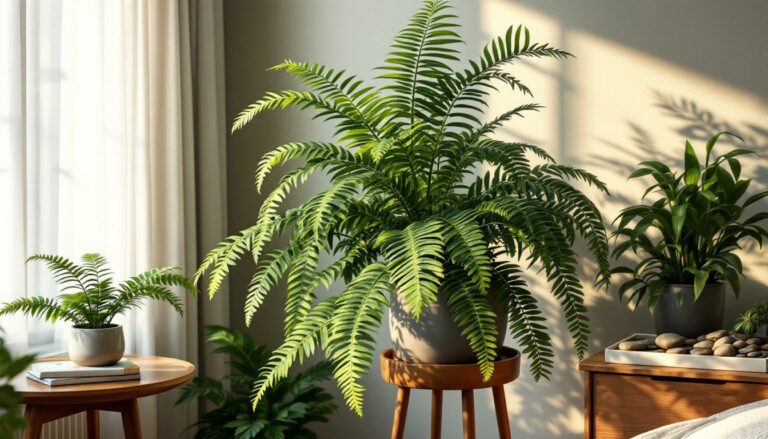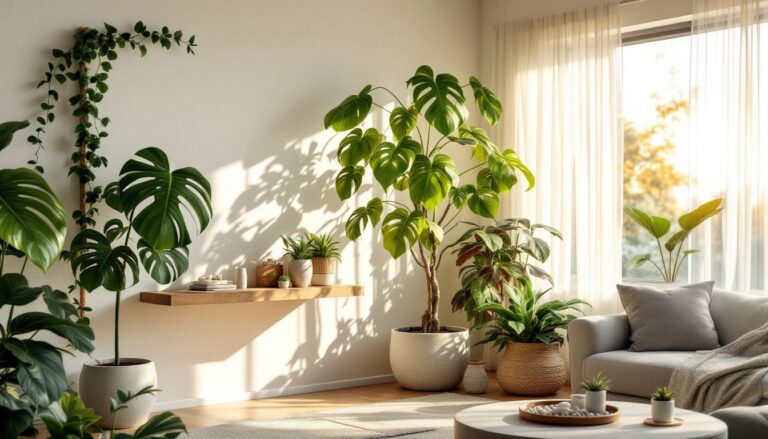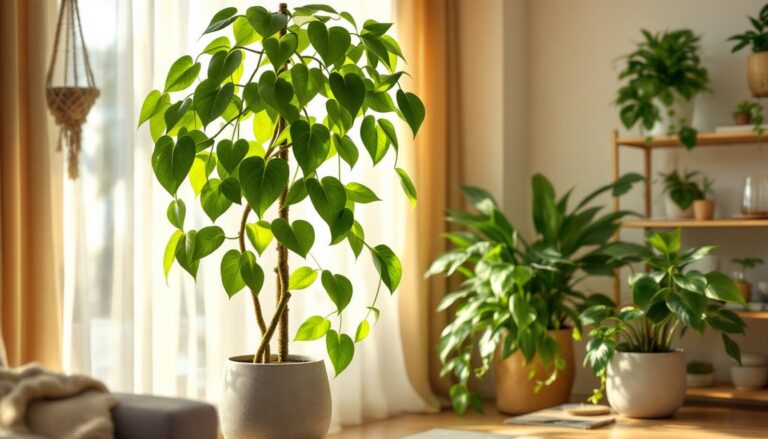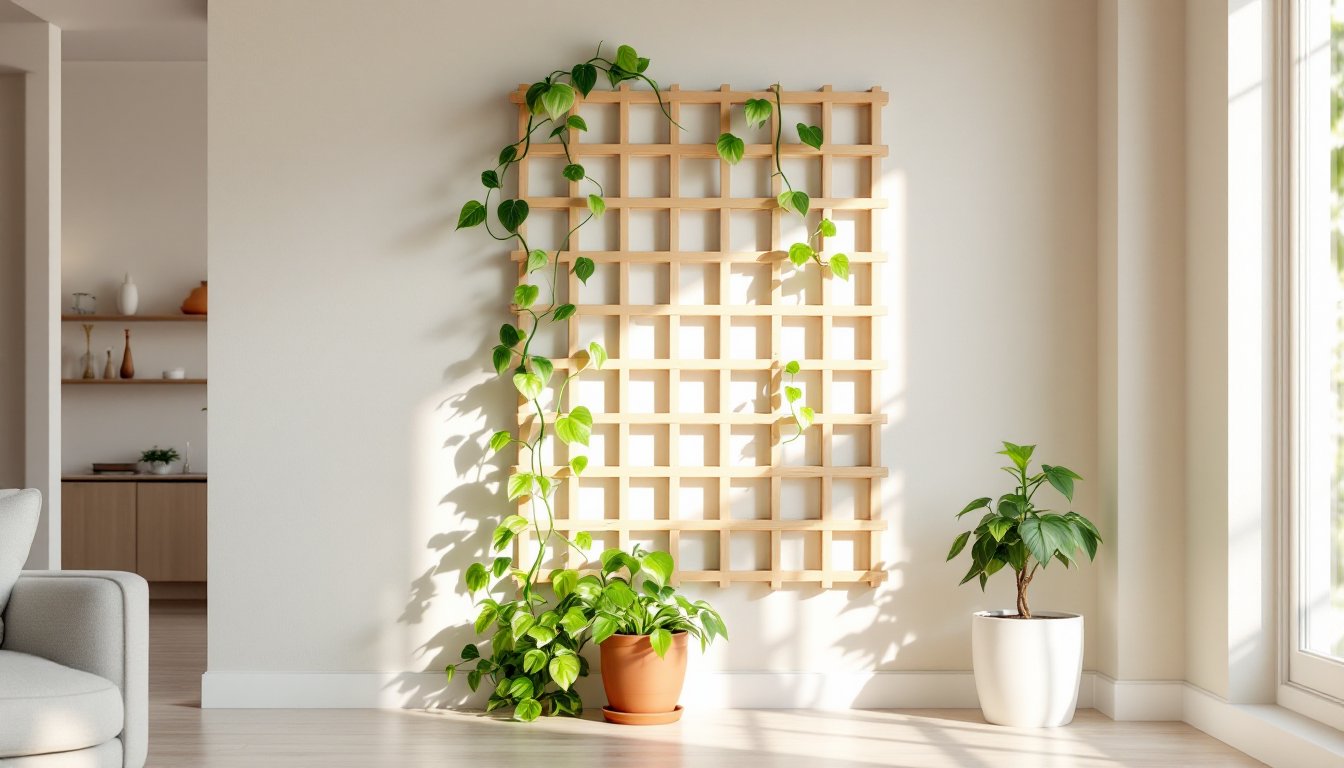
A trellis for climbing plants indoors transforms bare walls and unused corners into living, breathing focal points. Whether you’re working with a small apartment or a sprawling home, a well-placed trellis with climbing plants adds vertical interest, improves air quality, and brings the garden inside year-round. Unlike outdoor vines that battle weather and pests, indoor climbing plants grow reliably under controlled conditions. The right trellis structure, paired with compatible plants, makes all the difference between a thriving green wall and a disappointing droopy mess.
Table of Contents
ToggleKey Takeaways
- A trellis for climbing plants indoor solves space constraints while adding vertical interest, improving air circulation, and transforming bare walls into thriving green focal points.
- Choose trellis materials based on humidity and style: wood offers warmth and versatility, metal provides durability for heavier vines, and wire creates a minimalist aesthetic.
- Pothos and Monstera are the most reliable climbing plants for indoor trellises, with pothos tolerating low light and neglect while Monstera delivers dramatic tropical foliage in brighter spaces.
- Proper installation requires securing the trellis into wall studs or using heavy-duty anchors rated for the combined weight of soil, pot, and vine mass (typically 25–35 pounds total).
- Consistent watering (soak and dry method), adequate indirect light, and monthly spring/summer fertilizing are essential for healthy vine growth and lush trellis coverage.
- Regular pruning every 4–6 weeks and pest inspections prevent leggy growth and keep climbing plants looking intentional and design-forward.
Why Choose a Trellis for Indoor Climbing Plants
A trellis solves a fundamental problem: climbing plants need support. Without it, vines sprawl across floors, tangle into furniture, or grow into leggy, weak stems reaching blindly for light. A trellis gives them structure, encouraging upright growth and promoting bushier, fuller foliage.
Vertical gardening also maximizes small spaces. In a room where floor space is precious, growing plants upward opens up room for living. Trellised plants soften hard architectural lines, think blank walls, stark shelving units, or boxy corners, and add warmth without taking up square footage.
Indoor trellises also improve plant health. Vertical placement allows better air circulation around leaves, reducing mold and pest issues common in dense indoor environments. Climbing plants on a trellis are easier to water, inspect for damage, and prune than tangled sprawling specimens.
Finally, there’s the practical matter of aesthetics. Vines trained on a trellis look intentional and design-forward, whether minimalist or lush. A bare corner becomes a living art installation.
Types of Indoor Trellises and Materials
Wood, Metal, and Wire Options
Wood trellises are classic and versatile. Pine, cedar, or reclaimed wood offer warmth and blend easily into traditional or eclectic interiors. Wood is forgiving if you make mistakes, you can sand, stain, or paint it. Dowels or slats are easy to arrange, and the material is light enough to hang securely with standard wall anchors. The downside: wood absorbs moisture and can warp or develop mold in consistently humid bathrooms or kitchens. Seal wood with a food-safe finish or clear polyurethane if moisture is a concern.
Metal trellises, steel, iron, or aluminum, suit contemporary spaces and are nearly indestructible. They won’t rot or warp, and they’re durable enough to support heavier-vining plants over many years. Metal conducts temperature changes faster than wood, which can matter in windowless corners with fluctuating indoor temps. Metal also shows mineral deposits and dust, requiring occasional polishing to maintain appearance.
Wire or rope trellises are minimal and modern. A framework of stainless steel wires or twisted sisal rope attached to the wall creates an almost-invisible support that lets plants shine. These are ideal for smaller walls or rooms where visual weight matters. The trade-off: wires offer less surface area for vines to grip, so they work best with plants that twine or have sticky aerial roots rather than those needing a solid structure to climb.
Pre-made expandable trellises (plastic or metal lattice) are budget-friendly and quick. They’re perfect for testing the concept before committing to a permanent installation. They lack the aesthetic punch of custom options but are foolproof for renters or temporary setups.
Choose material based on your room’s humidity, style, and the plant species you want to grow. Viney house plants adapt well to most trellis types when conditions match their moisture and light needs.
Best Climbing Plants for Indoor Trellises
Pothos (Epipremnum aureum) is the workhorse of indoor trellises. It tolerates low light, irregular watering, and neglect, ideal for beginners or offices. Aerial rootlets grab onto trellises naturally, so minimal training is needed. Variegated varieties like Golden or Marble Queen add visual punch without fussiness.
Philodendron species, especially heartleaf philodendron (Philodendron hederaceum), climb eagerly with modest care. They’re similar to pothos in hardiness but offer more delicate foliage and slightly faster growth in bright, indirect light.
Hoya (wax plant) is slower-growing but rewires patience with fragrant, waxy flowers and sculptural leaves. It prefers drier conditions and bright light, making it perfect for sunnier window spots. Hoya doesn’t demand a trellis initially but rewards one with lush cascading growth over time.
Monstera deliciosa (‘Swiss Cheese’ plant) is a statement maker. Large, split leaves and vigorous vines need a sturdy trellis and more space than other options, but the reward is dramatic tropical vibes. Requires bright, indirect light and consistent moisture, not a low-maintenance choice but worth the effort.
Scindapsus pictus (Satin Pothos) climbs gently with silvery-spotted foliage. It’s slightly fussier than pothos about humidity and prefers not to dry out completely between waterings.
Passion vine (Passiflora) is an unconventional indoor choice for bright, humid rooms. It flowers prolifically and creates a real botanical garden feel, but demands more light and space than typical houseplants.
For large indoor house plants that fill walls quickly, pothos and Monstera are unbeatable. For unusual aesthetics, unusual house plants like Hoya and passion vine reward patient growers.
Installation and Setup Tips
Before installing a trellis, assess your wall. Is it drywall, plaster, brick, or tile? Find studs using a stud finder (battery-powered models cost $15–30): fastening into studs is the strongest option. If studs don’t align with your desired placement, use heavy-duty toggle bolts or expansion anchors rated for the trellis weight plus wet soil weight. A soil-filled 10-inch pot weighs 15–20 pounds: account for eventual vine mass (add another 10–15 pounds) and anchor accordingly.
Height matters. Mount the trellis high enough so vines don’t block windows or interfere with doors, but low enough that you can water and prune without a ladder. A 6-foot trellis near a window works better than a 5-foot one 2 feet from the floor.
Consider lighting before installation. Most climbing houseplants tolerate moderate indirect light but thrive in bright, indirect conditions (a few feet from an east or west-facing window). Pothos survives in low light: Monstera and Hoya demand brighter spots. Install your trellis where it will receive the light your chosen plant needs.
Installation steps: Measure and mark positions lightly with pencil. Drill pilot holes slightly smaller than your fasteners to prevent splitting or cracking. Secure the trellis frame with 3-inch wood screws into studs, or appropriately-rated anchors into drywall. Use a level to ensure it’s straight, a tilted trellis looks sloppy and may cause vines to grow unevenly.
Place the potted plant at the base of the trellis, not pressed against it. Vines need room to weave through slats or grid without being crushed. Gently guide young growth toward the trellis: use soft ties or velcro strips (never wire) to secure stems as they climb. Remove ties as aerial roots develop and grip the trellis naturally.
Resources like gardening guides and home improvement how-tos offer supplemental mounting strategies and troubleshooting.
Care and Maintenance for Climbing Plants
Watering is the make-or-break factor. Most indoor climbing plants prefer “soak and dry”, water thoroughly until it drains from the base, then let the soil dry slightly before watering again. Stick a finger 1–2 inches into the soil: if it feels dry, water. If damp, wait. Humidity-loving plants like Hoya and passion vine benefit from occasional misting or a pebble tray under the pot, but avoid wetting foliage in low-light conditions (mold risk).
Light drives growth speed. More light = faster growth, bushier vines, and, for flowering species, more blooms. Pothos survives in low light but grows slowly. Move it closer to a window if growth stalls. Rotate the pot every 2–3 weeks so vines grow evenly around the trellis rather than leaning toward the light source.
Pruning keeps plants manageable and encourages branching. Pinch off growing tips every 4–6 weeks on vigorous plants like pothos to promote side shoots. Remove any yellowing or diseased leaves immediately to prevent pests. Use clean, sharp pruning shears or scissors for larger stems: wiping blades with rubbing alcohol between cuts prevents disease spread.
Fertilize during the growing season (spring and summer) with a balanced all-purpose liquid fertilizer diluted per label directions. Most indoor climbing plants are light feeders, monthly feeding is plenty. Cut fertilizer in half or stop entirely in fall and winter when growth slows.
Watch for pests. Mealybugs, spider mites, and scale appear on indoor plants, especially in warm, dry conditions. Inspect new plants before bringing them home. If pests appear, isolate the plant, spray with insecticidal soap or neem oil (following label safety precautions), and check weekly until resolved. Better Homes & Gardens offers seasonal home improvement guidance including pest management for houseplants.
Clean the trellis annually. Dust accumulates on wood or metal surfaces: wipe with a damp cloth. This prevents pest habitat and keeps the display looking fresh.
Conclusion
An indoor climbing plant trellis isn’t just decor, it’s a practical framework that elevates both your space and your plants’ health. Start with a sturdy, well-placed trellis suited to your room’s conditions and aesthetic, pair it with a forgiving plant like pothos or Monstera, and commit to consistent watering and light. As your vines mature and fill in, you’ll have transformed a blank wall into a thriving, living feature that improves air quality and mood. The effort is minimal: the payoff is undeniable.