Bringing greenery indoors has moved beyond basic pothos and snake plants. Today’s homeowners want unique indoor plants that make a visual statement while fitting into modern living spaces. Whether you’re after architectural foliage, air-purifying power, or something genuinely unusual, the right plant selection can completely shift how a room feels. This guide walks you through ten distinctive plants that deliver on both aesthetics and function, plants that earn their shelf space and become genuine conversation starters. We’ll cover care needs, placement tips, and why each one matters for your home décor.
Table of Contents
ToggleKey Takeaways
- Unique indoor plants serve as visual focal points while improving air quality and reducing stress, making them essential for modern home décor.
- Monstera Deliciosa and Syngonium varieties deliver dramatic, sculptural foliage that thrives in bright, indirect light with proper moss pole support.
- Low-maintenance options like ZZ Plant, String of Pearls, and Rubber Plant are ideal for busy homeowners who want visual impact without constant care demands.
- Master the three fundamentals—bright indirect light, soil moisture checking, and well-draining potting mix—to ensure success with any unique indoor plant.
- Air-purifying unique indoor plants like Philodendron ‘Micans’ and Fiddle Leaf Fig clean harmful toxins while creating striking visual statements in any room.
- Build your plant collection gradually by starting with one or two selections, mastering their care routine, then expanding over time through observation and adjustment.
Why Unique Indoor Plants Matter for Your Space
Unique indoor plants do more than fill a corner, they redefine how a room works. Unlike mass-produced greenery, distinctive plants become focal points. A sculptural plant with unusual leaf patterns or growth habit draws the eye, anchors a console table, or fills awkward vertical space without clutter.
Beyond aesthetics, homeowners benefit from improved air quality and the genuine mood boost that living plants provide. Studies show that plants in occupied spaces reduce stress and increase productivity. When you choose something visually striking, you’re more likely to notice it, interact with it, and actually feel that benefit.
Searching for unusual house plants opens doors to varieties often overlooked in garden centers. These selections adapt well to indoor conditions and demand less fussing than finicky species. They’re also conversation pieces, guests notice a Monstera Deliciosa differently than they notice a basic Dracaena.
Exotic Foliage Plants That Make a Statement
Monstera Deliciosa and Syngonium Varieties
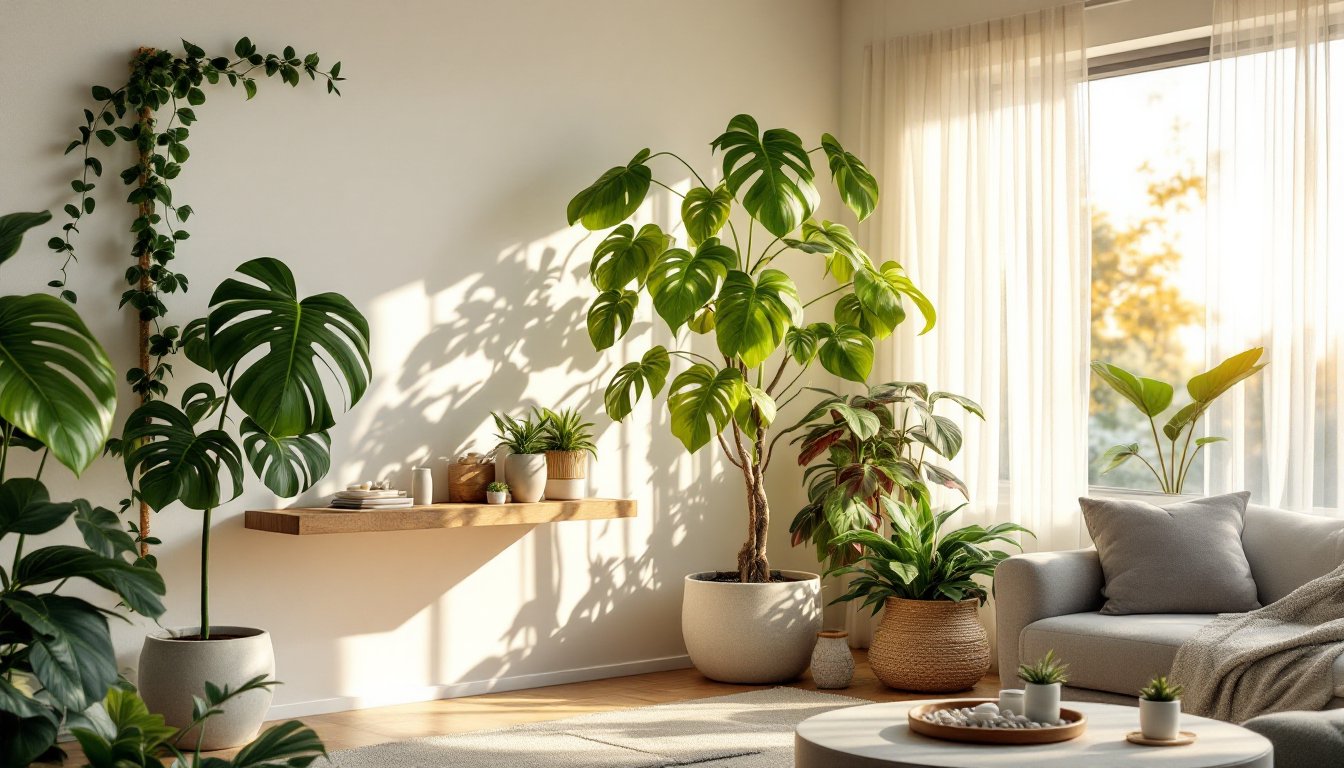
Monstera Deliciosa stands out for its dramatic split leaves, which appear naturally as the plant matures. This isn’t an oddity, it’s functional adaptation that reduces wind resistance. The plant reaches 6 to 10 feet indoors with proper support, making it perfect for living rooms needing vertical interest.
Place Monstera in bright, indirect light. Morning sun through an east-facing window works beautifully. Water when the top inch of soil feels dry (roughly every 1–2 weeks depending on season). Use a moss pole or climbing trellis to guide growth upward, and wipe leaves monthly with a soft cloth to maximize photosynthesis.
Syngonium varieties, particularly the Syngonium Podophyllum ‘Pink Splash’ and ‘Neon Robusta’, offer softer, more compact foliage with striking color combinations. Pink and white variegation on deep green backgrounds create visual warmth in dim corners. These plants tolerate lower light than Monsteras but still appreciate moderate, filtered brightness.
Both genera prefer consistent moisture but not waterlogged soil. Use well-draining potting mix, a blend of peat moss, perlite, and orchid bark works well. These plants are also climbers, so providing a support structure encourages their natural, sculptural growth habit. Coolest house plants often feature these two species because they’re reliable growers with immediate visual impact.
Low-Maintenance Unique Plants for Busy Homeowners
Not every homeowner has time to water meticulously. Fortunately, many striking plants thrive on neglect.
ZZ Plant (Zamioculcas zamiifolia) tolerates low light and irregular watering. Its glossy, architectural leaflets stack along compound stems, creating a modern aesthetic. Water only when soil is completely dry, roughly every 3–4 weeks. It handles office and bedroom corners equally well.
Calathea varieties bring sculptural leaf patterns (bold stripes, geometric shapes, bronze undersides) to any space. They prefer consistent (but not wet) soil and indirect light. These aren’t zero-maintenance, but they’re far easier than their reputation suggests, group them with humidity-loving orchids or ferns to simplify care.
String of Pearls (Senecio rowleyanus) grows as trailing, bead-like leaves. Hang it in a macramé holder near a bright window. Water sparingly, every 2–3 weeks. This plant actually prefers drier conditions, making it ideal for someone who forgets to water regularly.
Rubber Plant (Ficus elastica) offers dramatic, deep-burgundy leaves on sturdy stems. It grows slowly indoors, rarely exceeding 6 feet, and tolerates moderate light. Water when the top 2 inches of soil dry out. Wipe leaves monthly to keep them glossy.
All these plants work well in offices, bedrooms, or living areas where you want impact without constant fussing. Many are featured among common succulent house plants and other low-demand varieties homeowners come back to year after year.
Air-Purifying Plants with Distinctive Features
Clean air and striking appearance don’t have to be separate goals. Several unique plants excel at both.
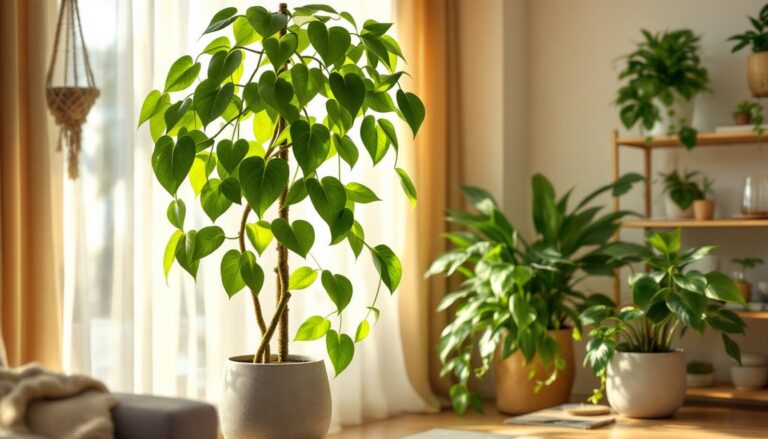
Philodendron ‘Micans’ features velvety, heart-shaped leaves with metallic sheen. It’s a natural climber that looks spectacular trailing from a shelf or up a moss pole. This plant removes formaldehyde and xylene from the air while adding soft texture to any room. Place it in bright, indirect light and water when the top inch of soil dries.
Fiddle Leaf Fig (Ficus lyrata) has enormous, violin-shaped leaves that command attention. It cleans benzene from indoor air. Position it near (not directly in) a bright window. Rotate the pot every two weeks for even growth, and be patient, it prefers consistency and may drop leaves if moved frequently.
Anthurium ‘Clarinervium’ (also called Flamingo Flower) produces waxy, dark-green leaves with contrasting white veins. The plant also flowers indoors with long-lasting red or pink spathes. It removes ammonia, xylene, and formaldehyde. Anthurium likes bright, indirect light and consistently moist (never soggy) soil.
Snake Plant (Sansevieria trifasciata) remains one of the hardest-working air purifiers. Varieties like ‘Golden Hahnii’ and ‘Laurentii’ offer striking variegation. This plant removes nitrogen oxides and formaldehyde while thriving on neglect in nearly any light condition.
These plants align with research showing that large indoor house plants contribute measurably to air quality while transforming visual space. Pair them with humidity-loving companions for synergistic care routines.
How to Care for Your Unique Indoor Plants
Success with unique indoor plants relies on mastering three fundamentals: light, water, and soil.
Light is non-negotiable. Most foliage plants thrive in bright, indirect light, think east or west-facing windows with sheer curtains filtering harsh afternoon sun. Rooms with north-facing windows work for shade-tolerant varieties (ZZ Plant, Calathea, Philodendron) but won’t satisfy sun-lovers. Rotate pots every 2–3 weeks to encourage balanced growth. Use grow lights if natural light is limited: a 40-watt LED fixture placed 12–24 inches above plants supplements seasonal darkness.
Watering mistakes kill more plants than any other factor. Rather than watering on a fixed schedule, check soil moisture. Most foliage plants want the top inch or two to dry between waterings. Use room-temperature, filtered water if possible (chlorine can accumulate in leaf tissues). Water thoroughly until it drains from the pot, then discard standing water, root rot develops quickly in oxygen-poor, waterlogged soil.
Soil and pots matter equally. Standard potting mix often compacts, trapping moisture. Instead, blend 60% peat moss or coconut coir, 20% perlite, and 20% orchid bark for excellent drainage. Repot in spring using a pot only 1–2 inches larger than the current one, excess soil holds unwanted moisture. Pots must have drainage holes: no exceptions.
Humidity benefits most tropical plants. Mist foliage 2–3 times weekly, group plants together, or set pots on pebble trays filled with water (the pot sits above water, not in it). Bathrooms and kitchens naturally provide higher humidity.
Fertilizing follows growth cycles. During spring and summer, feed every 2–3 weeks with diluted liquid fertilizer (half-strength). Stop in fall and winter when growth slows. Over-fertilizing causes salt buildup, burning roots, more is never better.
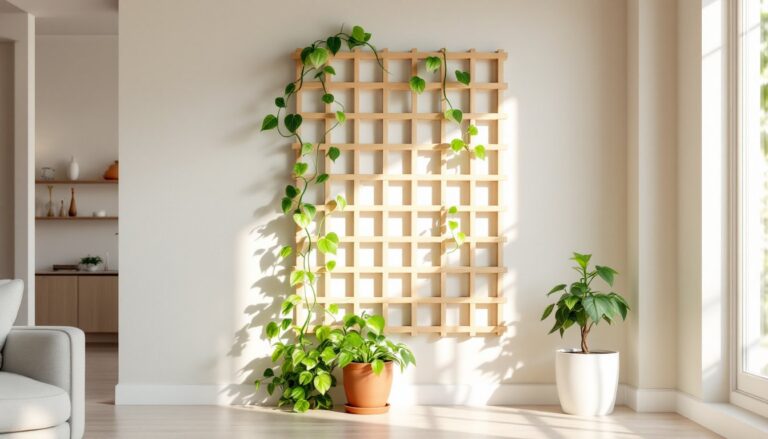
For plant styles that climb or trail, explore viney house plants guides that detail trellising techniques and support structures. Proper training adds years to plant life while maximizing visual appeal.
Conclusion
Unique indoor plants transform homes by combining striking aesthetics with genuine function. Whether you prioritize low maintenance, air purification, or sculptural foliage, options exist that fit your lifestyle and space constraints. Start with one or two selections from this list, master their care routine, then expand gradually. The most rewarding plant collections are built over time through observation and adjustment, not rushed purchases. Your home deserves plants that earn their place.