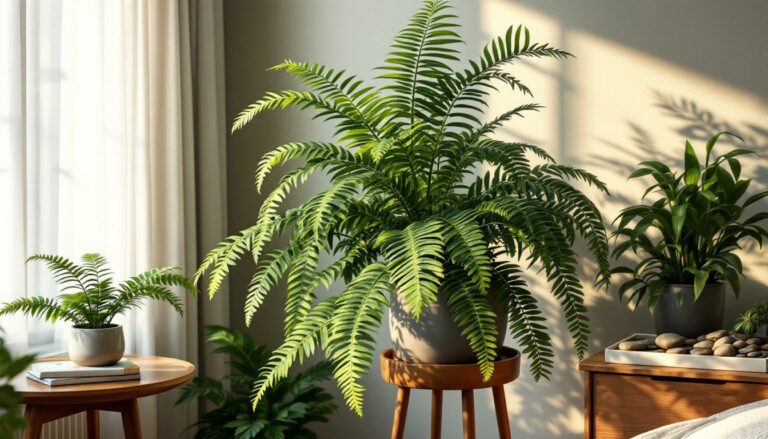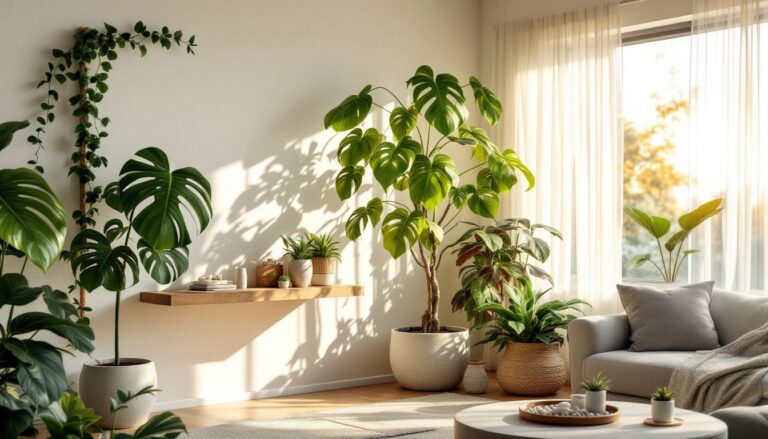
If you’ve ever wanted to spruce up your living space without waiting months to see results, fast growing house plants are your answer. Unlike slower varieties that test your patience, these green companions put on visible growth week after week, giving you quick satisfaction and tangible proof that your care efforts are paying off. Whether you’re filling a bare corner, creating a green wall feature, or simply looking to breathe life into your home faster than traditional plants allow, understanding which varieties thrive on speed and how to keep them growing strong makes all the difference. This guide walks you through the best fast growing house plants suited for 2026, room-by-room placement strategies, and the specific care routines that keep momentum going.
Table of Contents
ToggleKey Takeaways
- Fast growing house plants like pothos, philodendrons, spider plants, and snake plants deliver visible results within weeks, making them ideal for home projects that require quick aesthetic impact.
- Optimal growth speed requires five critical factors: bright indirect light (10-12 hours daily), consistent watering when the top 1-2 inches of soil dry out, temperatures between 65-75°F, adequate humidity, and balanced fertilizer every 2-3 weeks during growing season.
- Pothos and philodendrons are beginner-friendly fast growers that tolerate low light and irregular watering while climbing or trailing aggressively; spider plants produce visible new growth in 2-3 weeks by constantly throwing out propagatable runners.
- Using a grow light positioned 6-12 inches above plants accelerates growth dramatically if natural light is limited, and repotting into one size larger container annually refreshes growth and provides essential root space.
- Fast growing house plants serve dual purposes as natural air purifiers and mood boosters during home renovation projects while building gardener confidence through quick, tangible results from care efforts.
Why Fast Growing House Plants Are Perfect for Home Projects
Fast growing house plants solve a real problem in home improvement: you want greenery now, not next year. From a practical DIY perspective, rapid growth means you’re not waiting around between seasons to complete a room’s aesthetic vision. Plants that gain 6 to 12 inches per month (or more, depending on conditions) let you build a vertical garden, fill shelves, or create a living accent wall on a realistic timeline.
These fast growers also double as natural air purifiers and mood boosters while you’re tackling renovation projects. When you’re spending hours painting trim or refinishing floors, having vigorous, healthy greenery nearby actually improves air quality and reduces project fatigue. Beyond the practical benefits, watching a plant visibly expand each week provides psychological reward, especially useful when larger home projects drag on.
Another advantage: fast growing plants are often more forgiving of beginner mistakes. They bounce back quickly from missed waterings or irregular lighting, meaning your learning curve is shorter. You get results faster and build confidence for tackling more demanding varieties later. If you’re designing a viney house plants feature or considering unusual house plants for a statement wall, growth speed directly impacts how soon that vision becomes reality.
Top Fast Growing House Plants for Every Room
Pothos and Philodendrons for Beginner Gardeners
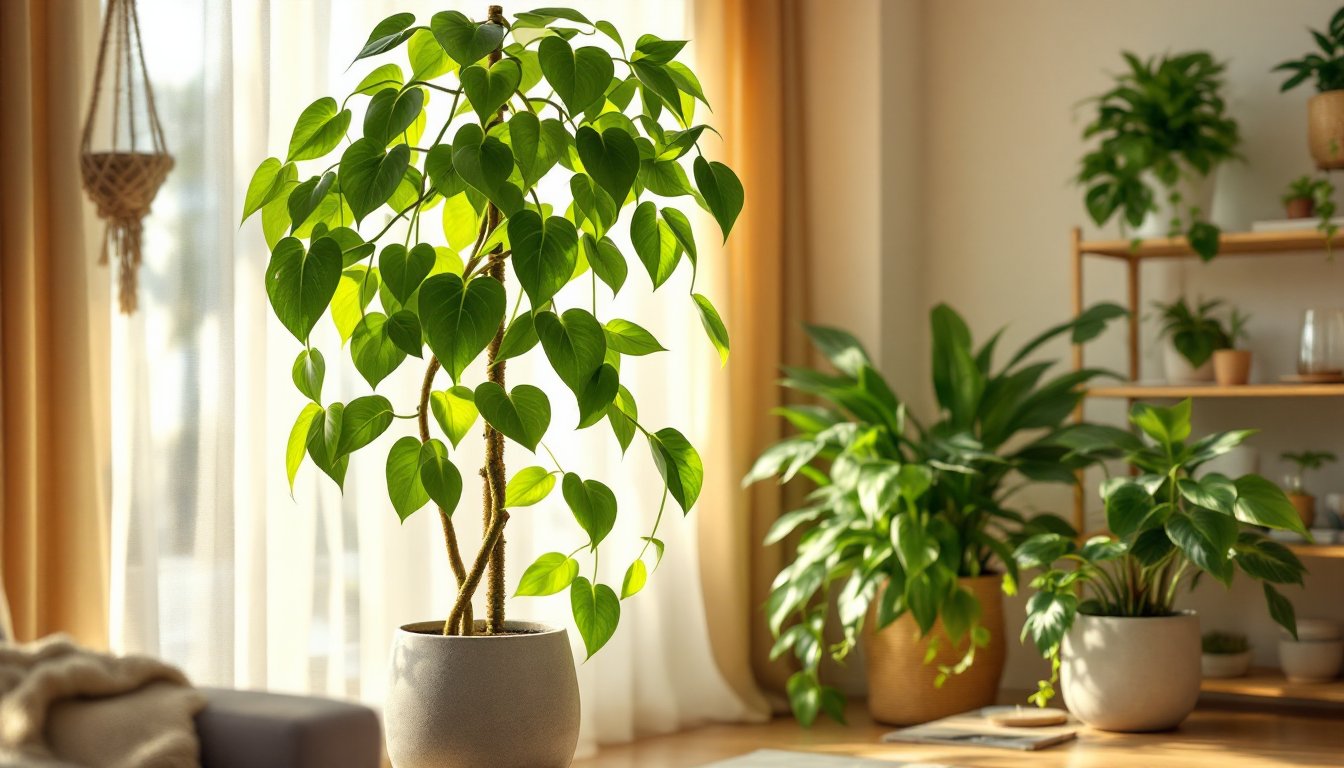
Pothos (Epipremnum aureum) and philodendrons are the workhorses of the fast growing plant world. Both vine and climb aggressively, gaining visible length within weeks of proper placement. Pothos tolerates low light better than most vining plants, making it ideal for living rooms or offices where natural light is limited. Philodendrons, particularly the heart-leaf variety, deliver similar growth rates with slightly larger leaves and a bushier habit.
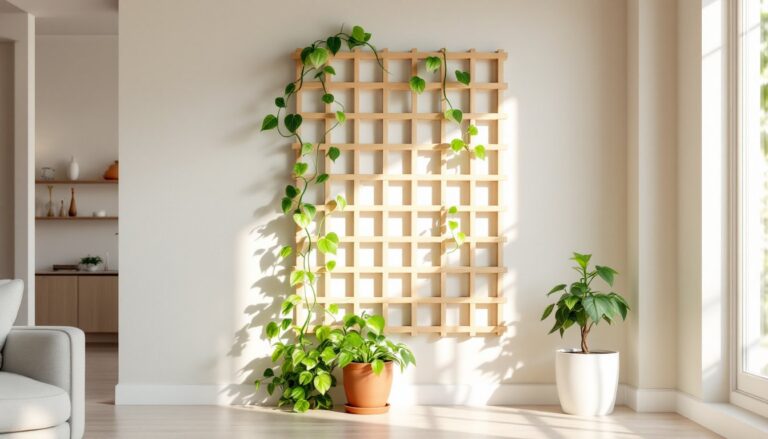
Here’s what makes them practical for DIY projects: both adapt to various humidity levels and recover quickly if you miss a watering. They’re also nearly impossible to kill, which matters when you’re juggling multiple home projects. Place a pothos on a shelf with a moss pole or trellis and watch it climb: use trailing varieties in hanging baskets for shelving arrangements.
For nursery selection, look for well-established vines at least 12 inches long. Smaller starter plants take longer to gain momentum. Water when the top inch of soil feels dry, typically every 7 to 10 days depending on light and temperature. Bright, indirect light produces the fastest growth: low light slows the plant down noticeably. Both plants benefit from monthly fertilizer during spring and summer, which directly correlates to faster leaf production.
Spider Plants and Snake Plants for Low Maintenance Growth
Spider plants (Chlorophytum comosum) are perhaps the fastest growing houseplant for producing visible change. They throw out baby plantlets (called runners) constantly, which you can propagate into new plants or leave to cascade dramatically from hanging baskets. Growth is so prolific that you’re essentially multiplying your collection monthly.
Snake plants (Sansevieria trifasciata) approach growth differently, slower overall but with a remarkable spread of new shoots that appear surprisingly fast once conditions suit them. They’re built for low-light corners and irregular watering schedules, making them perfect for bedrooms or hallways where you’re not constantly tending plants. The key is well-draining soil (a 50/50 mix of potting soil and perlite works well): waterlogging kills snake plants faster than anything else.
Spider plants need bright, indirect light and consistent moisture during growing season (spring/summer). Water thoroughly, let excess drain, and repeat when the top inch dries. Spider plants also appreciate occasional misting in dry climates, this actually speeds up new growth. Snake plants want light watering in warm months and almost none in winter: allow soil to dry completely between waterings. Both plants reward you with fast visible results when properly placed, and you’ll see new growth in 2 to 3 weeks if conditions are right. For common house plants names and quick reference guides, these two are essential starting points.
Essential Care Tips for Maximizing Growth Speed
Growth speed depends on five non-negotiable factors: light, water, temperature, humidity, and nutrition. Nail these and your plants explode with energy: miss even one and growth stalls quickly.
Light is the engine. Fast growing plants need bright, indirect light, ideally 10 to 12 hours daily. North-facing windows often aren’t bright enough: east or west-facing windows with filtered sun work best. If natural light is limited, a simple grow light positioned 6 to 12 inches above the plant accelerates growth dramatically. LEDs cost less than fluorescent tubes and generate less heat, making them ideal for living spaces.
Water timing matters more than volume. Most DIYers either underwater (plant yellows, growth stops) or overwater (root rot, plant dies). The solution: water thoroughly when the top 1 to 2 inches of soil dry out. Use room-temperature water, and let excess drain completely from the pot. Consistency beats occasional heavy soakings. During winter, water less frequently as plants slow their natural growth cycle.
Temperature and humidity speed things up. Warmth accelerates growth: most houseplants thrive between 65°F and 75°F. A room kept at 62°F grows plants slower than one at 72°F. Humidity similarly drives speed, tropical plants in particular respond to higher moisture. A basic humidity tray (pebbles and water under the pot, with the pot sitting on the pebbles) creates a microclimate without misting daily. Alternatively, grouping plants together naturally raises local humidity.
Fertilizing is the fertilizer. A balanced liquid fertilizer (diluted to half strength) applied every 2 to 3 weeks during growing season (March to September) keeps nutrients flowing and growth rapid. Miracle-Gro, Jobe’s, and Espoma all work reliably: pick whichever you find locally. Starving plants slow visibly: properly fed ones explode with new leaves and vines. Stop fertilizing in fall and winter, plants naturally rest then.
Repotting refreshes growth. When roots circle the pot’s bottom or soil drains too fast, the plant has outgrown its home. Move up one pot size (2 to 3 inches larger) with fresh potting soil. This gives roots space and nutrients, directly speeding growth. Most fast growers need repotting annually or every 18 months. Do this in spring when the plant is naturally ramping up energy. Recent 2024 houseplant trends from experts highlight the importance of matching plant growth rates to care capacity, pushing growth too hard without matching care usually backfires.
Conclusion
Fast growing house plants transform your home faster than almost any other DIY project. Pothos, philodendrons, spider plants, and snake plants deliver visible results within weeks when light, water, temperature, and nutrition align. Start with one or two varieties, dial in the care routine, and watch your space come alive. The satisfaction of nurturing a plant that visibly thrives is worth every bit of attention you invest.