Adding plants to a bedroom isn’t just a decorating trend, it’s a practical way to improve air quality, reduce stress, and create a more welcoming sleep environment. Whether you’re a seasoned plant parent or picking up your first pot, transforming a bedroom with plants can feel overwhelming without a solid plan. This guide walks through why plants belong in your bedroom, which species thrive in low-light conditions, how to arrange them strategically, and the essential care habits that keep them thriving year-round. By the end, you’ll have the confidence to build a bedroom that’s as lush as it is restful.
Table of Contents
ToggleKey Takeaways
- A bedroom with plants improves air quality by absorbing carbon dioxide, reducing stress, and enhancing sleep through both oxygen release and calming visual effects.
- Low-light tolerant plants like snake plants, pothos, peace lilies, and philodendrons are ideal for bedrooms because they thrive in indirect light and require minimal maintenance.
- Strategic placement using wall-mounted shelving, nightstands, and corners creates visual interest while wall-mounted plants free up floor space and prevent clutter.
- Underwatering is safer than overwatering—check soil moisture one inch deep before watering, and wait until the top inch dries to prevent root rot and fungal issues.
- Dust leaves monthly, rotate plants near windows periodically if light is dim, and inspect for pests monthly to maintain healthy bedroom greenery year-round.
- Start your bedroom plant journey with one or two forgiving species like a snake plant, then expand thoughtfully based on your light conditions and lifestyle.
Why Plants Belong In Your Bedroom
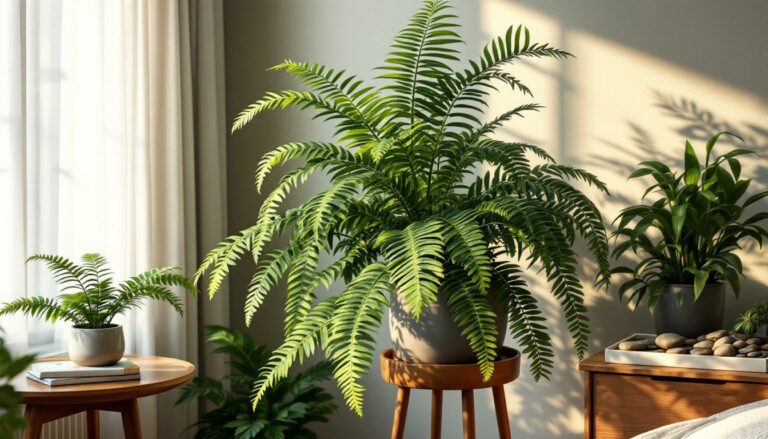
Bedrooms are where we spend roughly a third of our lives, yet they’re often the last room homeowners think to decorate with living plants. That’s a missed opportunity. Plants actively improve indoor air by absorbing carbon dioxide and releasing oxygen, a process that matters most in an enclosed bedroom where air circulation can be limited. Beyond air quality, studies consistently show that viewing plants and greenery lowers cortisol (stress hormone) levels, heart rate, and blood pressure. If you’re struggling with sleep, the calming effect of plants in your line of sight as you lie in bed can genuinely help. Many popular bedroom plants also release oxygen at night, unlike most plants that photosynthesize during the day, making them ideal for sleep spaces. The psychological boost of caring for something living, watching a new leaf unfold or noticing growth over weeks, provides a sense of purpose and connection that’s especially valuable in a personal retreat like a bedroom.
Best Plants For Bedroom Environments
Not every plant works in every bedroom. Light, humidity, temperature stability, and your willingness to water regularly are the main constraints. Some bedrooms get abundant natural light from eastern or southern windows: others are practically caves. The good news is that many excellent bedroom plants actually prefer indirect light or tolerate low-light conditions far better than sun-loving species. When shopping for bedroom plants, prioritize species known for air-purifying properties and forgiving care requirements. The most popular choices, snake plants, pothos, peace lilies, and philodendrons, became popular for a reason: they’re nearly impossible to kill and thrive in average indoor conditions. Unlike a living room where you might want statement plants or unusual house plants to spark conversation, a bedroom demands reliability and calm aesthetics. You can always explore coolest house plants once you’ve mastered the basics.
Low-Light And Easy-Care Options
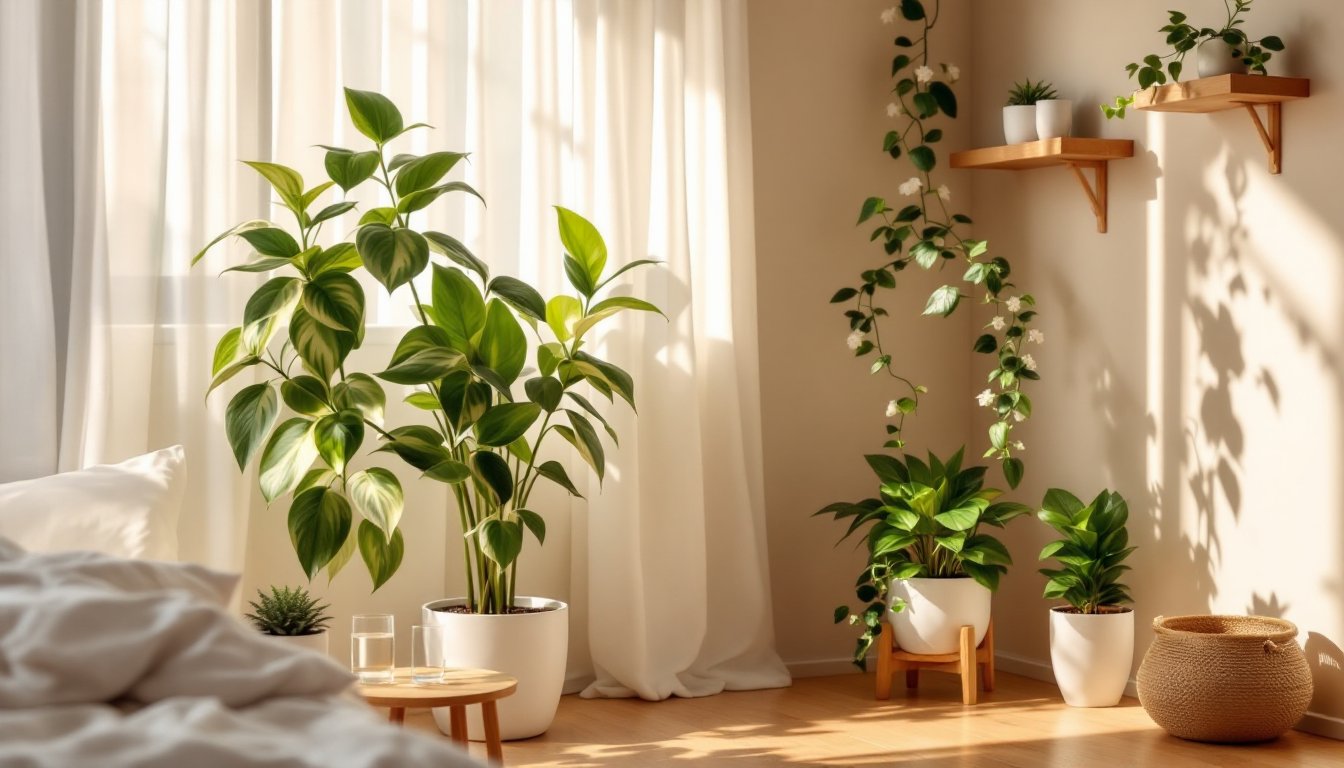
Snake Plant (Sansevieria) is the gold standard for beginners and low-light bedrooms. It tolerates weeks without water, handles neglect gracefully, and grows tall and upright, perfect for corners or beside a nightstand without taking up much floor space. Pothos (also called devil’s ivy) trails elegantly from shelves or hangs from wall-mounted brackets, adding dimension without demanding attention. It thrives in indirect light and tolerates inconsistent watering. Peace Lily produces delicate white flowers and actively signals when thirsty by drooping slightly, a helpful visual cue if you’re forgetful. Philodendron comes in vining or upright varieties, both forgiving, and both happier in moderate to low light than in direct sun. ZZ Plant is shiny, architectural, and practically unkillable, making it ideal for small bedrooms or corners where you want greenery without fuss. Cast Iron Plant lives up to its name: it’s resilient enough to handle neglect and low light. All of these tolerate the temperature and humidity fluctuations typical of bedrooms and won’t demand constant misting or special treatment. For more options, browse 50 most common house plants with pictures to see what speaks to you visually.
Designing Your Bedroom Plant Layout
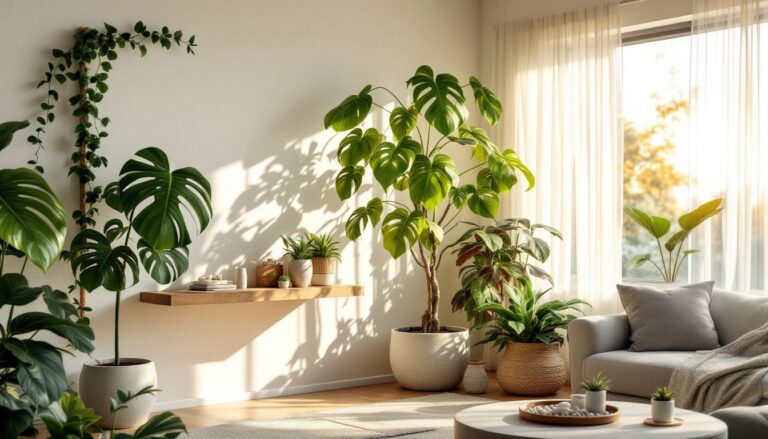
Placement strategy determines whether plants enhance your bedroom or clutter it. Start by assessing your available light. If your bedroom gets bright, indirect light (a few feet from a north or east-facing window), you have flexibility. If it’s dim, stick strictly to low-light tolerant varieties like snake plants and pothos. Measure your bedroom’s dimensions before buying plants: a 10-by-12-foot bedroom feels choked by oversized potted specimens, while a small corner might be perfect for one tall plant or a shelf of compact varieties. Consider traffic patterns, don’t block doorways or place heavy pots where someone might trip at night. Wall-mounted shelving frees floor space and creates visual interest at eye level. A single tall plant in one corner often works better than scattering small plants everywhere: it creates a focal point and feels intentional rather than cluttered.
Placement Strategies And Container Ideas
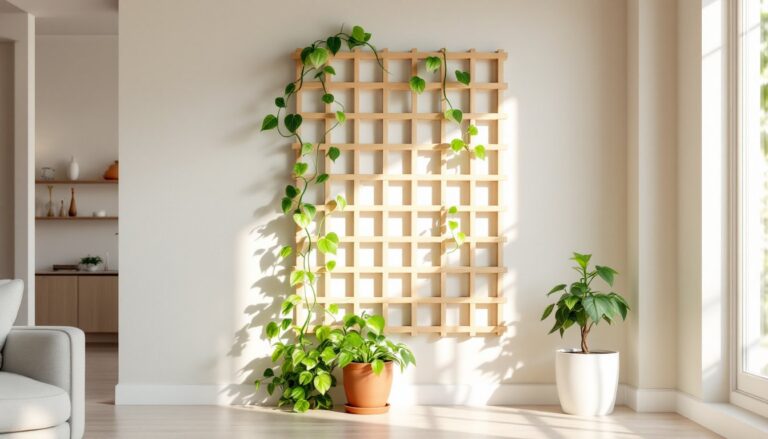
Window sills are prime real estate but only if they align with your plant’s light needs. Don’t put a shade-loving plant in direct afternoon sun: the leaves will bleach and scorch. Nightstands can hold compact, low-maintenance plants like small snake plants or succulents, something you’ll see as you wake or fall asleep. Shelving (floating or traditional) works well for trailing plants like pothos or string of pearls, which cascade softly and fill vertical space. Floor placement suits larger, structural plants like tall philodendrons or large indoor house plants that anchor a corner without blocking windows. Container choice matters functionally and aesthetically. Terracotta drains quickly and suits plants that prefer drying out between waterings: ceramic retains moisture longer and works for thirstier species like peace lilies. Ensure every pot has drainage holes: waterlogged roots rot plants faster than anything else. Match pot size to the plant, a 6-inch-tall plant in a 12-inch pot wastes soil, encourages overwatering, and looks awkward. Plants should sit snug with room to grow roughly one season before needing a larger pot. If you love viney house plants, hang them from ceiling-mounted hooks or wall brackets so trailing stems don’t block windows or pathways.
Essential Plant Care Tips For Bedroom Success
Plant care in a bedroom differs slightly from living rooms or kitchens because bedroom temperature is more stable, light is typically lower, and humidity varies less. Water is the biggest variable homeowners struggle with, and bedrooms are no exception. The golden rule: underwater rather than overwater. Most beginner plant deaths stem from soggy soil and root rot, not drought. Check soil moisture by inserting your finger an inch deep into the potting mix. If it feels wet, don’t water yet. Wait until the top inch dries out. This routine prevents the fungal issues and pest infestations that thrive in constantly wet soil. Watering frequency depends on season, pot size, and the plant itself: in winter, most plants need less water than summer. Group plants together on the same shelf or area to simplify care and create a humidity pocket where moisture released from leaves benefits neighboring plants.
Light is your second priority. If your bedroom is genuinely dim (no direct window light), rotate plants near windows periodically or accept that growth will be slower. Slow growth isn’t failure: it’s realistic for low-light settings. Dust leaves monthly with a soft, damp cloth, dust blocks light and clogs pores through which plants breathe. Feed sparingly. Most potting soil includes nutrients for the first few months: after that, use a diluted, balanced liquid fertilizer (like 10-10-10 NPK) every four to six weeks during the growing season (spring and summer). Skip feeding entirely in fall and winter unless the plant shows obvious nutrient deficiency (yellowing lower leaves even though adequate light). Inspect leaves and stems monthly for spider mites, mealybugs, or scale insects: these pests thrive in warm, dry bedrooms. Early detection prevents infestations. If you spot bugs, isolate the plant, spray the affected areas with insecticidal soap or neem oil (available at any garden center), and reapply every seven to ten days until pests are gone. Research common house plants names to familiarize yourself with specific care needs of species you choose. Humidity is rarely a bedroom priority since most bedroom plants tolerate dry air, but if your plant’s leaf tips brown, mist it lightly with water or run a small humidifier nearby. Keep plants away from heating vents and air conditioning registers where temperature swings stress them. A stable 65 to 75 degrees Fahrenheit is ideal.
Conclusion
A bedroom with plants transforms a functional sleeping space into a restorative sanctuary. Start small with one or two forgiving species, a snake plant and a pothos, to build confidence. As you gain experience, expand thoughtfully, choosing plants that fit your light conditions and lifestyle rather than buying on impulse. With proper placement, consistent but minimal care, and patience as growth happens slowly, your bedroom will become a lush, air-purifying retreat where you actually want to spend time. The investment is modest, but the return in air quality, mental clarity, and aesthetic calm is genuinely worthwhile.