Indoor plants aren’t just décor, they’re living investments in your home’s air quality, mood, and aesthetic. Whether you’re a beginner with a single pothos or someone nurturing a collection of ferns, knowing how to care for indoor plants transforms brown thumbs into green ones. The secret isn’t some botanical gift: it’s understanding light, water, soil, and your specific home environment. This guide walks you through the practical fundamentals of keeping indoor plants healthy, vibrant, and thriving year-round.
Table of Contents
ToggleKey Takeaways
- Assess your home’s actual light conditions before selecting plants—match sun-lovers to bright windows and shade-tolerant varieties like pothos to low-light areas for guaranteed success.
- Water indoor plants when soil feels dry 1–2 inches deep, not on a fixed schedule, and always ensure pots have drainage holes to prevent root rot.
- Choose soil types that match your plant’s needs: fast-draining cactus mix for succulents, moisture-retentive mixes for tropical plants, and refresh soil every 12–18 months during repotting.
- Rotate plants quarterly near single light sources and consider affordable LED grow lights if your space lacks natural light, positioning them 6–12 inches above foliage for 10–14 hours daily.
- Avoid placing indoor plants near cold windows, heating vents, or in areas with standing water—these stress plants and accelerate soil moisture loss.
Choose The Right Plants For Your Home Environment
Understand Your Light Conditions
Before you bring a plant home, assess the light your space actually receives. Don’t guess, observe. Plants sitting in a north-facing window get very different light than those on a south-facing sill, and artificial office lighting isn’t the same as a sunny bedroom. Bright, indirect light comes from windows with a sheer curtain diffusing direct sun rays. Low light means areas away from windows or shaded corners, think entryways or bathrooms without windows.
Most houseplants thrive in bright, indirect light. Succulents and cacti demand at least 4–6 hours of direct sun daily. Shade-tolerant plants like pothos, snake plants, and ZZ plants handle low-light corners without complaint. If your home leans dark and moody, you’ll need plants that genuinely tolerate those conditions rather than ones you’re hoping will adjust. Forcing a sun-lover into a dim corner guarantees disappointment.
Match Plants To Available Space And Humidity
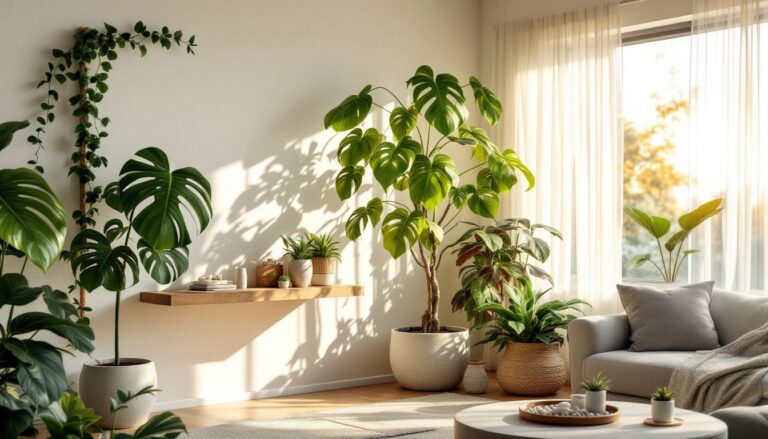
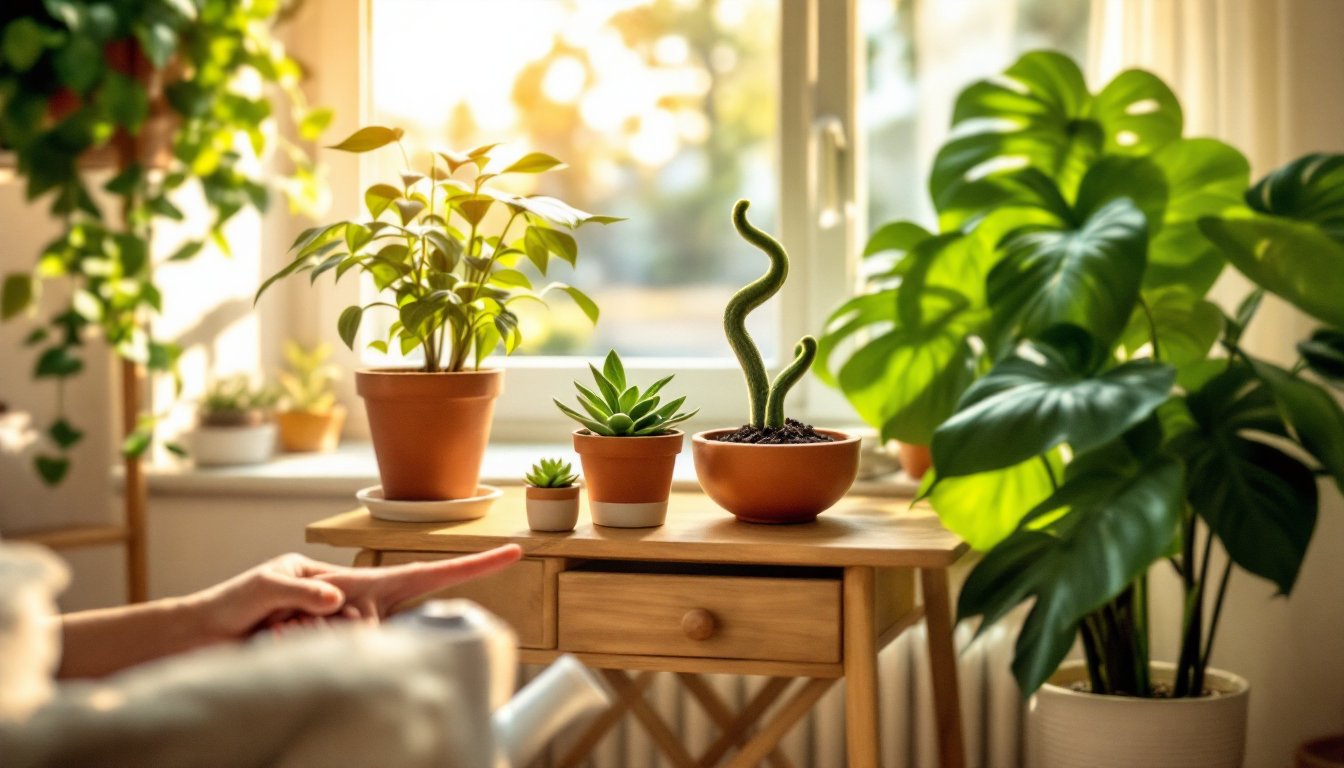
Space and humidity go hand-in-hand. A sprawling monstera needs room to vine, while compact plants like succulents fit small shelves. Check ceiling height too, tall trailing plants or tree-form ficus varieties require vertical clearance. A common succulent house plant works brilliantly in tight quarters and doesn’t demand constant fussing.
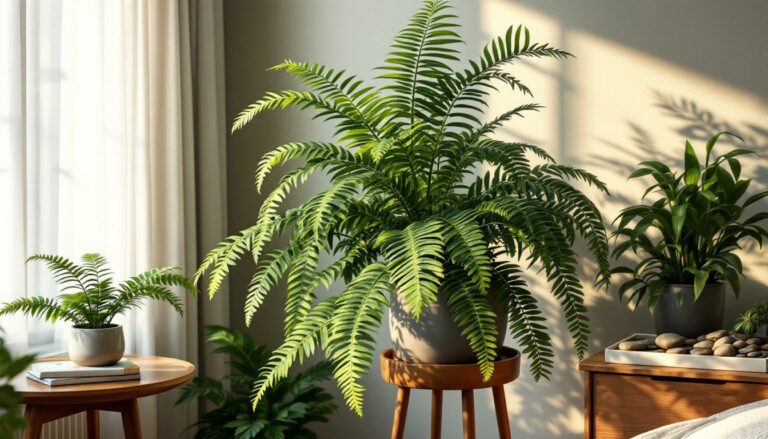
Humidity matters more than many DIYers realize. Tropical plants, calathea, anthurium, string of pearls, crave moisture in the air. If your home runs dry (especially in winter with heating), you’re fighting uphill. Conversely, a damp bathroom suits ferns perfectly. When choosing plants, match their humidity appetite to your home’s natural conditions rather than spending energy misting constantly. That said, 50 most common house plants include hardy options like spider plants and dracaena that tolerate average indoor humidity without complaint.
Master The Art Of Proper Watering
Watering is where most indoor plant care fails. The rule isn’t “water on schedule”, it’s “water when the soil needs it.” Stick your index finger 1–2 inches into the soil. If it feels dry, water thoroughly until it drains from the bottom. If it’s moist, wait. This simple test beats any calendar routine.
Frequency depends on soil type, container size, season, and your home’s temperature and humidity. A succulent in gritty, fast-draining cactus mix in a small clay pot dries out faster than the same plant in heavy potting soil in a larger plastic container. During growing season (spring and summer), most plants drink more. Winter growth slows, so watering needs drop.
Use room-temperature water, cold water shocks roots. Filtered or distilled is ideal if your tap water is heavily chlorinated, though most plants tolerate tap water fine. Avoid wetting foliage unless you’re misting to raise humidity: wet leaves invite fungal issues. Water the soil directly and let excess drain away. Standing water in the pot’s base suffocates roots and breeds root rot. Empty saucers after 10–15 minutes if they’ve collected drainage.
Root rot kills more plants than anything else. It happens when soil stays wet too long, roots can’t breathe, and fungus takes hold. The fix? Repot into fresh, dry soil immediately, trimming any black, mushy roots. Prevention beats rescue, when in doubt, err toward slightly drier soil.
Provide Adequate Light And Placement
Light placement determines whether your plant survives or thrives. A plant that gets inadequate light will grow slowly, drop leaves, and lose vigor. Even shade-tolerant varieties need some light. Rooms without any natural light aren’t plant rooms, they’re dark caves.
Rotate plants quarterly if they sit near a single light source. One side gets stronger light and grows faster: rotating evens out growth and prevents lopsided plants. If a plant starts leaning toward the light, that’s your cue it’s not getting enough: move it closer to a window or consider a grow light.
Grow lights aren’t just for commercial growers anymore. Affordable LED grow bulbs fit standard fixtures and let you place plants anywhere, shelves, dark corners, bathrooms. Position the light 6–12 inches above foliage, running it 10–14 hours daily. Plants under grow lights often outpace windowsill cousins because the light is consistent and doesn’t change with seasons or weather.
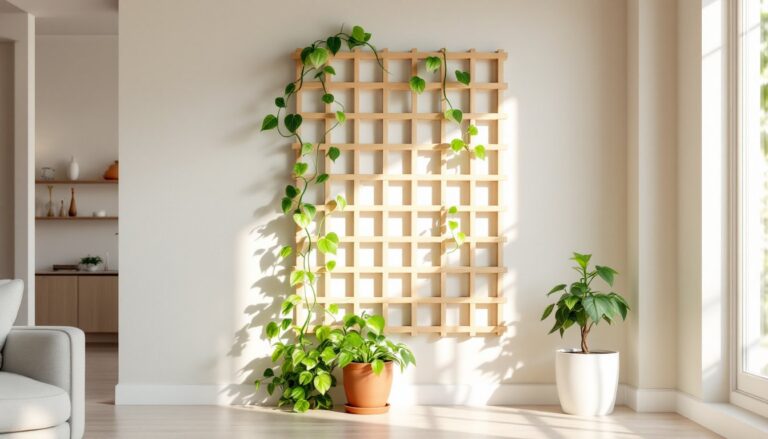
Windowsill placement matters too. A cool house plant selection often includes trailing varieties like pothos or philodendrons that thrive on shelving near windows without direct afternoon sun. Avoid placing plants directly against cold windows in winter, the temperature drop stresses them. Similarly, keep plants away from heating vents, which dry air and cause rapid soil moisture loss.
Maintain Soil Quality And Drainage
Quality soil makes or breaks indoor plant care. Generic potting soil works for many plants, but it’s a one-size-fits-all compromise. Succulents and cacti demand cactus or succulent soil, gritty, fast-draining, minimal water retention. Tropical plants prefer moisture-retentive potting mixes with more peat or coco coir. African violets need specialized mixes that stay moist but don’t get waterlogged.
Drainage holes are non-negotiable. No drainage hole means water sits at the base, rotting roots. If you love a pot without drainage, use it as a decorative outer container (a cachepot). Place a pot with drainage inside, and water flows harmlessly past the inner pot into the decorative one.
Repot when the plant outgrows its container, typically every 12–18 months for fast growers like pothos or philodendron, less often for slow plants like succulents. Signs include roots circling the drainage hole, water running straight through without absorbing, or the plant drying out faster than before. Choose a pot only 1–2 inches larger in diameter than the current one: too much extra soil stays wet and courts root rot.
When repotting, use fresh soil. Old soil compacts, loses nutrients, and may harbor pests or disease. Water lightly after repotting and wait a few days before normal watering, roots adjust more gently that way. At repotting time, examine roots for damage or rot. Healthy roots are white or pale: black, mushy roots need trimming before replanting. Large indoor house plants especially benefit from annual refreshes, dump old soil, gently loosen the root ball, and repot with fresh medium to keep them vigorous.
Conclusion
Growing thriving indoor plants boils down to matching plants to your home’s light and humidity, watering only when soil dries out, providing adequate placement away from heating vents, and using quality, well-draining soil. Start simple with hardy plants, observe their needs, and adjust. Every home and every plant teaches you something. Your green space grows as your confidence does, the same way any DIY project does when you nail the fundamentals first.