Dark corners and windowless rooms don’t have to stay dull. Plenty of large indoor plants thrive in low-light conditions, turning neglected spaces into green sanctuaries without the fuss of constant sunlight. Whether you’re working with a shadowy basement corner, an interior hallway, or an office without direct windows, these resilient giants grow steadily and quietly improve air quality. The key is picking the right species, ones built for shade, and understanding their modest watering and humidity needs. Let’s explore which large indoor plants actually perform in low-light environments and how to keep them healthy year-round.
Table of Contents
ToggleKey Takeaways
- Large indoor plants for low light, such as pothos, philodendrons, snake plants, and ZZ plants, thrive in shaded environments and require minimal watering compared to sun-loving species.
- Overwatering is the most common mistake with low-light plants; water only when the top inch of soil feels dry, as reduced light slows growth and water needs significantly.
- Peace lilies and cast iron plants excel in dark corners, offering excellent air-purifying qualities while tolerating drafts, dust, and temperature fluctuations without special care demands.
- Increasing humidity through grouping plants, pebble trays, or misting helps large indoor plants in low-light spaces photosynthesize more efficiently and improves overall health.
- Snake plants and ZZ plants are ideal for frequent travelers or forgetful plant owners, as they can go weeks without water and actively prefer drying out between waterings.
Why Large Plants Thrive In Low-Light Environments
Not all plants need a sunbaked windowsill to flourish. Many large species evolved in tropical or subtropical forest understories, where they grew beneath towering canopies that blocked direct rays. These plants developed broader leaves and slower metabolisms to capture and use diffuse, filtered light efficiently. Their evolutionary history means they’re adapted to produce energy without blazing sun, a trait that translates directly to your dim living room.
Large low-light plants also tend to be forgiving about neglect. Because they grow in shaded forest floors, they’re less dependent on precise watering schedules and bounce back from the occasional missed watering. This resilience makes them ideal for busy homeowners or anyone new to keeping houseplants. You’re not locked into a rigid routine: instead, you water when the top inch of soil feels dry.
Another advantage: low-light plants accumulate fewer pest problems. Spider mites and scale insects thrive in hot, dry environments, think sunny windowsills. Shade-dwelling species experience more stable humidity and cooler temperatures, which keep pest pressure lower. That means less spraying, less fuss, and more time admiring your green wall.
Top Large Indoor Plants That Tolerate Low Light
Pothos And Philodendrons
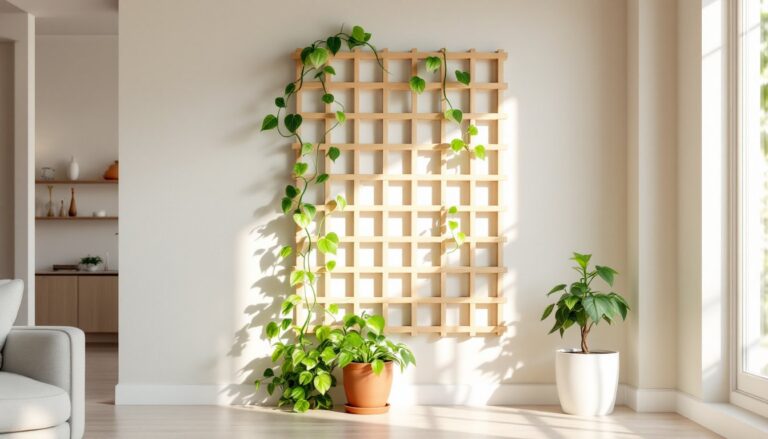
Pothos (Epipremnum aureum) and philodendrons are the workhorses of low-light gardening. Both produce long, trailing or climbing vines with heart-shaped leaves and grow steadily even in dim corners. They’re nearly indestructible: they’ll forgive spotty watering and adapt to whatever light you give them. Pothos works beautifully on high shelves where vines can cascade down, while a climbing philodendron can be trained up a moss pole to create vertical interest in tight spaces.
Most varieties stay green, but golden pothos (also called devil’s ivy) adds a cheerful yellow variegation that actually glows a bit in low light. Philodendrons range from classic green to deep burgundy or pink varieties. Both produce aerial roots and are eager growers, pinch back stems regularly to keep them bushy rather than leggy. The viney house plants that transform your home category includes these two as top choices for any low-light situation.
Water when the top inch of soil dries. Both tolerate being on the dry side between waterings, and they actually prefer that to soggy roots. If the stems turn soft or mushy, dial back watering immediately: root rot is the only real threat to these otherwise bomb-proof plants.
Snake Plants And ZZ Plants
Snake plants (Sansevieria) and ZZ plants (Zamioculcas zamiifolia) are the minimalist’s dream. Both feature upright, architectural stems and can go weeks between waterings. Snake plants grow tall and columnar with variegated or solid green leaves: ZZ plants produce glossy, symmetrical leaflets on compound stems. Both handle low light without complaint and actively prefer to dry out between waterings.
Snake plants excel in corners where they won’t be bumped, since their leaves are delicate even though looking tough. ZZ plants are equally unbothered by neglect and develop a rich, waxy sheen even in dim rooms. If you travel frequently or forget about plants for stretches, either of these is your answer. They’re also excellent air-purifiers, snake plants filter formaldehyde and benzene, while ZZ plants remove xylene and ammonia.
Feed sparingly: once every two or three months during growing season (spring and summer), or skip feeding altogether if growth looks fine. Overwatering kills both species more reliably than drought. Water only when soil is completely dry to the touch, and consider repotting just once every two to three years.
Peace Lilies And Cast Iron Plants
Peace lilies (Spathiphyllum) are elegant shade-dwellers with glossy, lance-shaped leaves and occasional white flower spathes. They’re large enough to fill a corner and dramatically droop when thirsty, a signal that tells you exactly when to water. Unlike many low-light plants, peace lilies actually reward consistent moisture without rotting. They love humidity, so a bathroom or kitchen works perfectly.
Cast iron plants (Aspidistra elatior) are the toughest large-leaved shade plant you can buy. They grow slowly but steadily and tolerate dust, drafts, temperature swings, and irregular watering that would kill fussier species. Their dark green, strap-like leaves create a lush, full look without the maintenance stress. Cast iron plants pair beautifully with other shade plants and fill corners with solid, dependable presence.
Peace lilies prefer consistently moist (not waterlogged) soil, while cast iron plants tolerate drier conditions. Both reward occasional misting or wiping of leaves to remove dust and boost photosynthesis. When browsing common house plant options, these two deserve serious consideration for any dark corner.
Essential Care Tips For Low-Light Indoor Plants
Watering And Humidity Management
The most common mistake with large low-light plants is overwatering. Because they’re not actively photosynthesizing in bright conditions, they don’t need water as frequently as sun-loving plants. Check soil moisture before watering by inserting your finger about one inch deep: if it feels moist, wait another few days. The goal is evenly moist soil for shade plants like peace lilies, but nearly dry soil for drought-tolerant species like ZZ and snake plants.
Low-light environments also tend to have lower humidity, especially if you’re running heat or air conditioning. Increase humidity by grouping plants together (they transpire and create a micro-climate), placing them on a pebble tray with a bit of standing water below the pot, or misting them two or three times weekly. Peace lilies and pothos particularly appreciate misting, while snake plants and ZZ plants are indifferent to humidity levels.
Remember that soil stays wetter longer in low light, so you might water half as often as you would for the same plant in a sunny spot. In winter, growth slows even more, and watering frequency drops further. Watch your plants’ signals: glossy, firm leaves indicate happy hydration, while soft, yellowing stems suggest too much water. Dusty leaves block what little light reaches them, so wipe large-leaved plants like cast iron or peace lilies monthly with a soft, damp cloth.
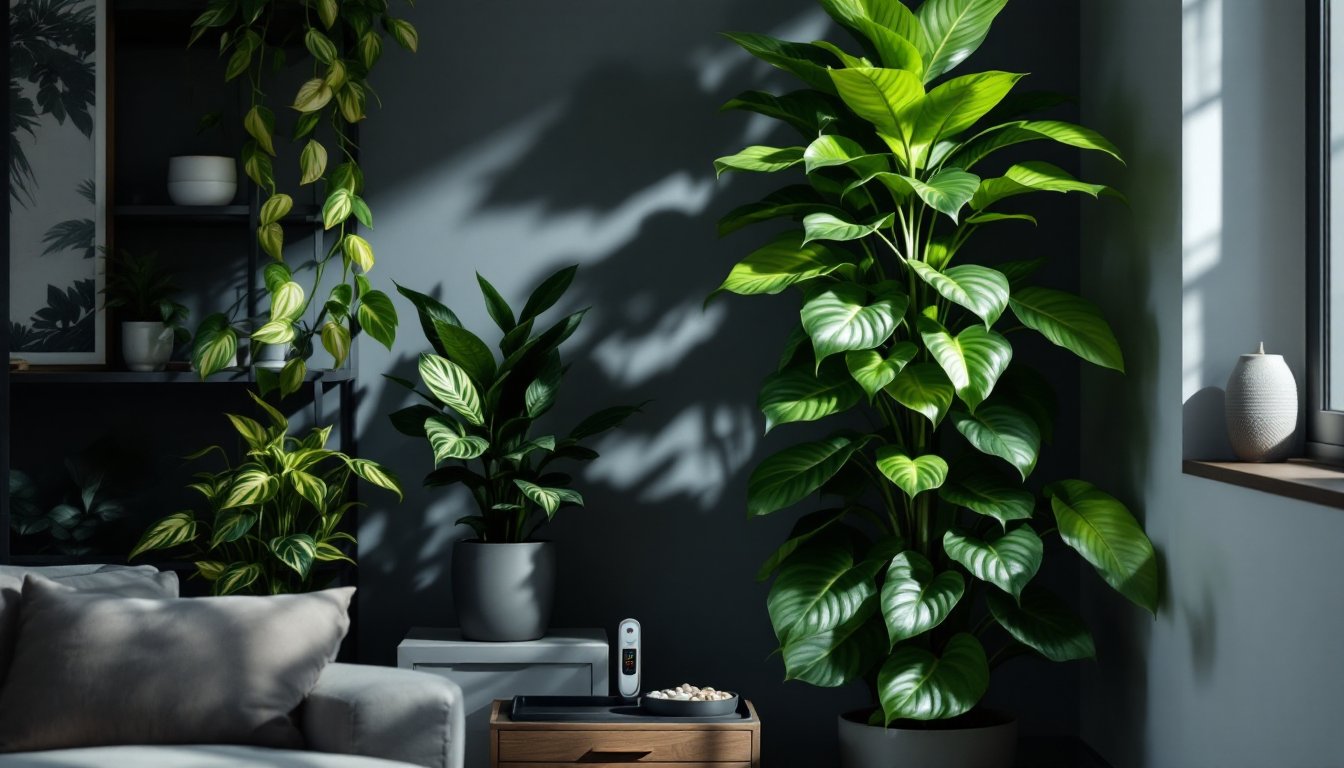
Consider using a low-light plant guide or professional resource when you’re unsure about specific species. Light conditions vary dramatically by room and season, so adapt your watering rhythm accordingly. Many homeowners find success with a simple moisture meter (a five-dollar tool from any garden center) that removes guesswork and builds confidence quickly.