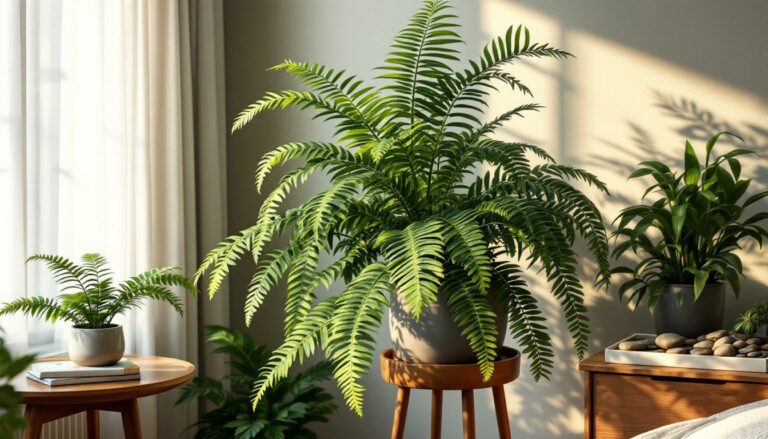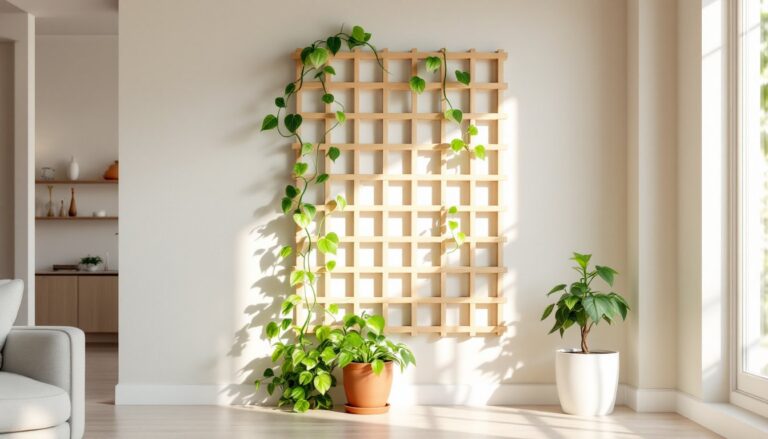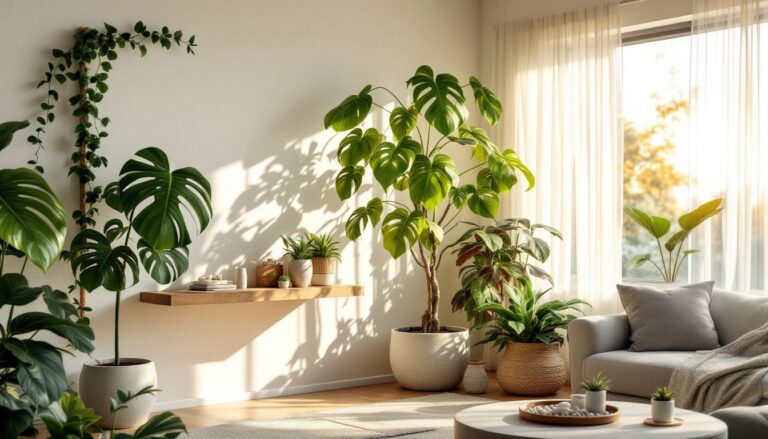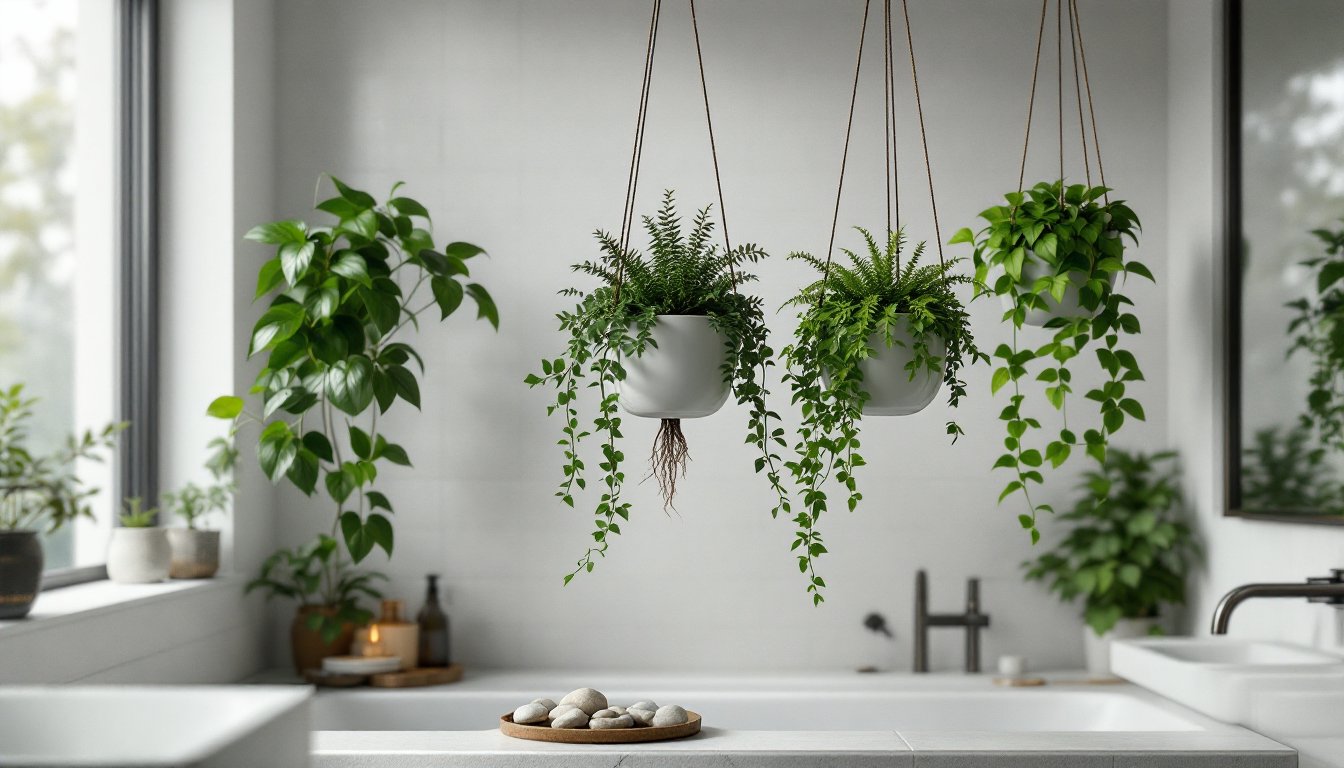
Not every room in your home gets blasted with sunlight. Basements, bathrooms, hallways, and interior bedrooms often struggle with low light conditions, but that doesn’t mean they have to stay bare. Indoor hanging plants for low light are game-changers for homeowners looking to add greenery without a bright, sunny windowsill. These resilient plants thrive in dimmer corners and north-facing spaces, transforming dull areas into living, breathing spaces. Whether you’re dealing with a shadowy entryway or a cozy room with minimal natural light, low light hanging plants offer an elegant solution that works with your home’s natural lighting rather than against it. Let’s explore which varieties actually perform in low light and how to keep them thriving year-round.
Table of Contents
ToggleKey Takeaways
- Indoor hanging plants for low light solve both space and aesthetic challenges in modern homes by drawing the eye upward and thriving in dimmer corners without direct sunlight.
- Pothos, philodendron, and English Ivy are the most resilient low light hanging plant varieties, with pothos being the fastest-growing and nearly impossible to kill.
- Overwatering is the most common mistake with low light plants—check soil moisture before watering since plants use less water without strong light driving photosynthesis.
- Position hanging planters as close to available light sources as practical and use mirrors or light-colored walls to bounce indirect light and optimize growing conditions.
- Low light hanging plants require minimal fertilizing (half-strength every 4-6 weeks during spring and summer) and periodic leaf wiping to maximize light absorption and prevent pest infestations.
- Ensure proper drainage with holes in all pots and repot every 12-18 months in spring to prevent soggy soil, the primary cause of hanging plant failure.
Why Low Light Hanging Plants Are Perfect For Modern Homes
Modern homes often have open floor plans with interior spaces far from windows, and traditional floor plants don’t always fit the aesthetic or available space. Hanging plants solve both problems, they’re space-efficient and draw the eye upward, making rooms feel taller and more open. Unlike their sun-loving cousins, low light varieties have adapted to forest understory conditions, where dappled or indirect light is the norm.
These plants are also practical for homes with pets and young children. Hanging them elevates them out of reach, reducing the risk of accidental damage or ingestion. For renters, hanging planters offer a way to add greenery without floor clutter or permanent modifications. They’re also quieter visual elements than large floor plants, they add life without dominating a room.
Another advantage is versatility. Low light hanging plants work in living rooms, bedrooms, kitchens, and even offices. They soften hardscapes like drywall and tile, reduce airborne dust through passive air filtering, and create a calming presence. If you’ve got awkward corners or dead zones in your layout, these plants are the easiest way to make use of that space.
Top Low Light Hanging Plants That Thrive Indoors
Not all hanging plants tolerate low light equally. Some need at least moderate indirect light, while others are true shade champions. Here are the varieties that actually perform in dim conditions without becoming leggy or pale.
Pothos And Philodendron Varieties
Pothos (also called Devil’s Ivy) is arguably the most forgiving hanging plant for low light. It grows from node to node and quickly develops a trailing habit. Leaves stay a healthy deep green even in corners with minimal light. Pothos tolerates neglect well, water roughly every 1-2 weeks depending on soil moisture. The main appeal is speed: it grows fast enough to fill a hanging basket within weeks, and it’s nearly impossible to kill.
Philodendron varieties deserve the same respect. The classic heartleaf philodendron has smaller, delicate leaves and a more refined appearance than pothos. It tolerates similar low light conditions and has comparable care needs. Both pothos and philodendron propagate easily from cuttings, so if you root a cutting in water and it thrives, you’ve got a free new plant. For hanging applications, look for trailing varieties rather than climbing types, the growth habit matters.
One note: pothos and philodendron contain calcium oxalates, which are toxic to pets. If cats or dogs browse freely in your home, opt for non-toxic alternatives like spider plants or Boston ferns.
Heartleaf Philodendron And English Ivy
Heartleaf philodendron deserves its own mention because it performs exceptionally well in low light and adds visual interest without fussiness. The trailing stems develop aerial rootlets, which many growers find visually appealing. It’s more delicate-looking than pothos, though equally tough in practice.
English Ivy (Hedera helix) is a classic hanging plant that actually prefers cooler, indirectly lit spaces. It’s slower-growing than pothos but worth the patience if you want a refined, lacy appearance. English Ivy works particularly well in bathrooms and kitchens where humidity is naturally higher. Keep soil consistently moist but not waterlogged. One caution: English Ivy can be invasive outdoors in mild climates, so never compost trimmings where they might escape into gardens.
Other solid low light hangers include Satin Pothos (slower growth, silvery-green leaves), Pearls and Jade Pothos (variegated white and green), and Burro’s Tail if your space has at least moderate indirect light. The best practices for low-light houseplants include rotating plants monthly and wiping leaves occasionally to maximize light absorption.
Essential Care Tips For Low Light Hanging Plants
Low light doesn’t mean no maintenance. The most common mistake is overwatering in dim conditions. Without strong light driving photosynthesis, plants use less water. Soil stays wet longer and roots rot. Check soil moisture before watering, if the top inch feels damp, wait another 2-3 days.
Watering frequency depends on humidity, temperature, and pot size. A 6-inch hanging planter dries out faster than a 10-inch one. In winter, water less frequently. In humid bathrooms, even less. Use room-temperature water and avoid tap water with high chlorine or mineral content if possible. If you’re using treated water, let it sit overnight to allow chlorine to evaporate.
Light optimization matters, even for tolerant varieties. While these plants survive in low light, they don’t always thrive. If your space gets north-facing light or sits far from windows, position the planter as close to the nearest light source as practical. A plant 4 feet from a window receives significantly more light than one 10 feet away. Mirrors or light-colored walls bounce indirect light and improve conditions. If a plant starts stretching (elongated stems with widely spaced leaves), it’s signaling a need for more light.
Fertilizing in low light requires restraint. During the growing season (spring and summer), fertilize every 4-6 weeks with half-strength diluted liquid fertilizer. Skip fertilizing entirely in fall and winter. Excess nutrients without sufficient light cause weak, leggy growth. Beginner gardeners often overlook these nuances, but they’re critical for success.
Humidity helps, especially for varieties like English Ivy. Mist leaves monthly or use a pebble tray (a shallow tray filled with pebbles and water, placed under the planter). As water evaporates, it raises humidity around the plant without overwatering roots. Prune trailing stems to encourage bushier growth. Pinch off leaf tips or trim longer vines, and use the cuttings to propagate new plants. This keeps mature plants from looking sparse and overgrown.
For pothos and philodendron specifically, periodically wipe leaves with a soft, damp cloth. Dust reduces light absorption and creates a breeding ground for spider mites. If you notice webbing or tiny crawling insects, isolate the plant and spray affected areas with neem oil or insecticidal soap. Comprehensive guides on hanging plants for dim spaces recommend rotating plants every 2-3 weeks to ensure even growth. Large indoor house plants share similar care principles, though hanging varieties require more frequent monitoring due to smaller soil volume and faster drying.
Repot every 12-18 months if roots fill the current pot. Spring is ideal. Use fresh potting soil (not garden soil, it’s too dense) and a pot just one size larger. Soggy soil is the primary killer of hanging plants. Drainage holes are non-negotiable. If your decorative hanging basket lacks drainage, nest a draining plastic pot inside it and remove it during watering, then replace it once water drains.
Conclusion
Low light hanging plants are the practical solution for brightening shadowy corners without constant fussing or special equipment. Pothos, philodendron, and English Ivy consistently deliver results with minimal care. Success comes down to avoiding overwatering, optimizing available light, and maintaining basic cleanliness. Your dark hallway or windowless bathroom can become a living space instead of an afterthought. Start with one hardy variety, master the basics, and expand from there.