Exotic indoor plants sound intimidating, but they’re far more forgiving than you’d think. Whether you’re decorating a living room or just want to bring life into a drab corner, tropical and unusual species can add drama and personality without demanding a green thumb. The secret isn’t botanical expertise, it’s choosing the right plants for your space and understanding their basic needs. This guide walks you through seven exotic plants that look like they belong in a five-star resort but actually thrive in ordinary homes. You’ll learn how to care for them, spot problems early, and create the indoor jungle you’ve always wanted.
Table of Contents
ToggleKey Takeaways
- Exotic indoor plants are more forgiving than most people think and thrive in ordinary homes with consistent light, water, and humidity management.
- Bird of Paradise, Monstera Deliciosa, and Anthurium are beginner-friendly exotic plants that deliver dramatic visual impact without demanding expert botanical knowledge.
- Proper watering using the finger test (checking soil moisture 1 inch deep) and ensuring drainage holes are critical to preventing the most common failure point: overwatering.
- Bright, indirect light positioned 3 to 6 feet from south or west-facing windows is essential for most exotic plants, while lower light causes slower growth and fewer flowers.
- Start with one or two exotic indoor plant species that match your home’s light conditions, then expand your collection as your confidence and success grow.
Why Exotic Plants Deserve a Spot in Your Home
Exotic plants aren’t luxury items reserved for people with perfect humidity or tons of time. They’re visual anchors that transform how a room feels, and many are tough enough to handle typical indoor conditions. A single Bird of Paradise or Monstera can anchor an entire living room, drawing the eye and creating conversation. Beyond aesthetics, certain exotic species actually clean the air and improve indoor environments, a practical benefit wrapped in undeniable beauty.
The misconception that exotic equals finicky holds a lot of people back. In reality, many tropical plants adapted to indoor life are lower-maintenance than typical houseplants because they’ve been cultivated specifically for residential spaces. They’re also forgiving about occasional neglect, water fluctuations, and less-than-perfect light. If you’ve killed succulents before, don’t worry: you’re starting fresh here. These seven species reward consistent care with stunning growth and, in many cases, flowers that’d make any gardener proud.
Bird of Paradise: Tropical Drama Made Easy
The Bird of Paradise lives up to its name. Its orange and blue flowers resemblance an actual bird in flight, and they’re so striking that people assume they require expert care. They don’t. These plants thrive in bright, indirect light and tolerate a range of moisture levels, dry spells won’t kill them. They’re happiest in large containers (at least 12 inches deep) with well-draining soil. Unlike finicky flowering plants, Birds of Paradise flower reliably indoors if they get enough light.
Water when the top inch of soil feels dry, usually weekly during growing season. Reduce watering in winter. Feed monthly during spring and summer with a balanced fertilizer. Expect blooms after 18 to 24 months of establishment. The payoff is worth the wait: blooms last several weeks and reappear regularly once the plant matures. These plants can reach 3 to 4 feet tall indoors, making them perfect for anchoring a corner or beside a bright window. If space is tight, dwarf varieties stay under 2 feet.
Monstera Deliciosa: The Instagram-Famous Showstopper
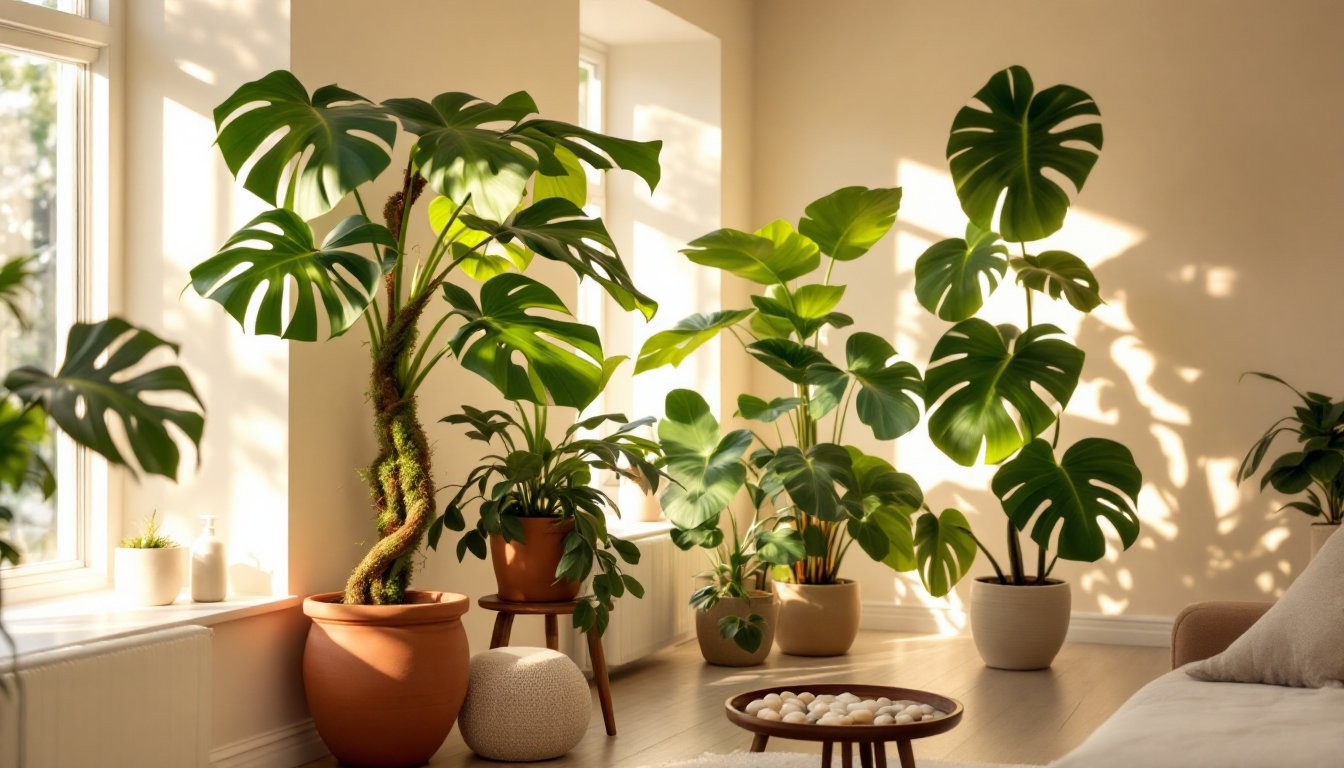
Monstera Deliciosa, split-leaf philodendron, is probably the most recognizable exotic houseplant. Its large, split leaves look architectural and modern, and the plant is genuinely hard to kill. It tolerates low light better than most exotics, though it prefers bright, indirect conditions. In low light, it’ll grow slower and leaves won’t develop their signature splits as readily. Water every 1 to 2 weeks, letting soil dry slightly between waterings. Overwatering is the primary killer of Monsteras, so err on the drier side.
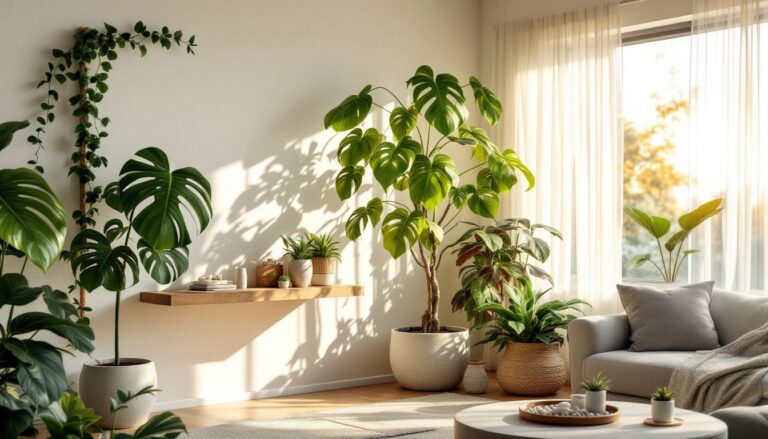
Monsteras are sprawling plants that naturally vine, so they work on shelves, climbing moss poles, or trellises. They can reach 8 feet indoors if given vertical support. Start in a 10-inch pot and repot every 18 months as it grows. Wipe large leaves monthly with a damp cloth to keep them photosynthesizing efficiently. Fertilize monthly during growing season. Yellow leaves usually signal overwatering or poor drainage: adjust your watering schedule and ensure your pot has drainage holes. These plants are also among the unusual house plants category, making them perfect for anyone seeking statement foliage.
Anthurium: Bold Color Without the Fuss
Anthuriums deliver waxy, long-lasting flowers in reds, pinks, and whites, they’re basically tropical flowers in potted form. Unlike cut flowers, each Anthurium bloom lasts 2 to 3 months, and the plant produces new flowers continuously if cared for properly. They prefer bright, indirect light and consistently moist (not wet) soil. In lower light, they bloom less frequently and may drop flowers. They’re sensitive to cold, so keep them away from windows and AC vents during winter.
Water when the top inch of soil is dry, typically weekly. These plants appreciate humidity, so mist them weekly or set the pot on a tray with pebbles and water beneath (don’t let the pot touch the water directly). Fertilize every 6 weeks during growing season. Anthurium flowers emerge from the plant’s spathe, a modified leaf that looks like a colorful petal. You can also explore coolest house plants for more flowering varieties. Typical Anthuriums reach 24 to 36 inches tall and wide, so they’re manageable for apartments and smaller homes.
Fiddle Leaf Fig: Statement Elegance for Living Rooms
Fiddle Leaf Figs are architectural plants with large, violin-shaped leaves that command attention in any room. They look expensive and sculptural, which is why they’re favored by interior designers and photographed constantly on home-design blogs. The reality: they’re pickier than our other recommendations, but not impossible. They demand bright, indirect light, place them within 3 feet of a window. Low light causes leaf drop and slow growth. They also prefer consistency: moving them repeatedly or changing watering patterns stresses them.
Water when the top 2 inches of soil feel dry, usually every 7 to 10 days depending on season and pot size. Overwatering is the primary cause of root rot. Use a pot with excellent drainage. Wipe leaves monthly to prevent dust buildup, which blocks light absorption. These plants can reach 6 feet tall indoors, making them dramatic focal points. Expect slow growth, patience is part of the deal. Fiddle Leaf Figs are also considered large indoor house plants in the collection of statement pieces. If you’re starting your exotic plant journey, master a Monstera or Anthurium first, then graduate to a Fiddle Leaf Fig.
Care Essentials: Light, Water, and Humidity Tips
Exotic plants share common care needs, though requirements vary by species. Light is the most critical factor: most tropical plants evolved in dappled jungle light, not direct sun. Place them 3 to 6 feet from south or west-facing windows. East-facing windows are ideal. If light is limited, move plants closer to windows during winter when the sun’s angle is lower. Rotate plants quarterly to ensure even growth.
Watering is where most people stumble. Use the finger test: stick your finger 1 inch into the soil. If it’s moist, don’t water yet. If dry, water until it drains from the bottom. Drainage holes are non-negotiable. Tap water works fine unless your area has high chlorine: if so, let tap water sit overnight before using. Distilled water is unnecessary and expensive.
Humidity matters, especially for tropical plants. Indoor air, especially heated or air-conditioned homes, is drier than tropical environments. Mist foliage weekly with a spray bottle, group plants together (they create a microclimate), or use a humidifier in winter. Running a humidifier also benefits you, so it’s a win-win investment. Watch for spider mites (tiny webs on leaves) and mealybugs (white cottony spots), common in dry indoor air. Neem oil or insecticidal soap treats both if they appear.
Conclusion
Exotic indoor plants don’t require a greenhouse, botanical degree, or perfect home conditions. They ask for bright light, consistent watering, and reasonable humidity, things you can deliver with basic attention. Start with one or two species that match your home’s light and your comfort level. Success builds confidence. Once your first exotic plant thrives, you’ll be ready to experiment with the next one. Before you know it, you’ll have created the tropical interior you’ve always imagined, one leaf at a time.