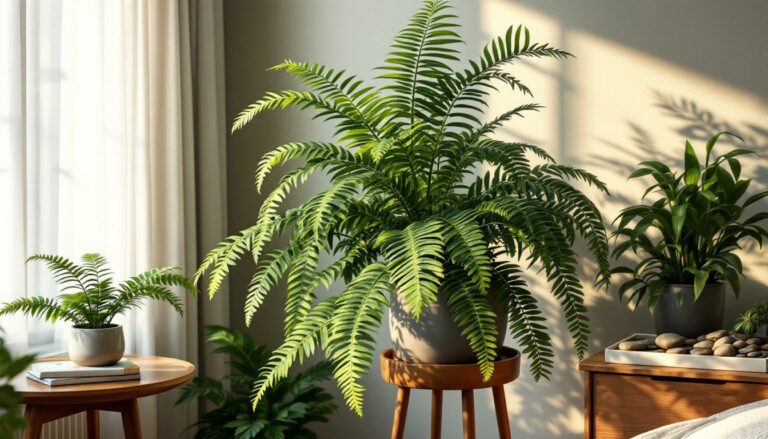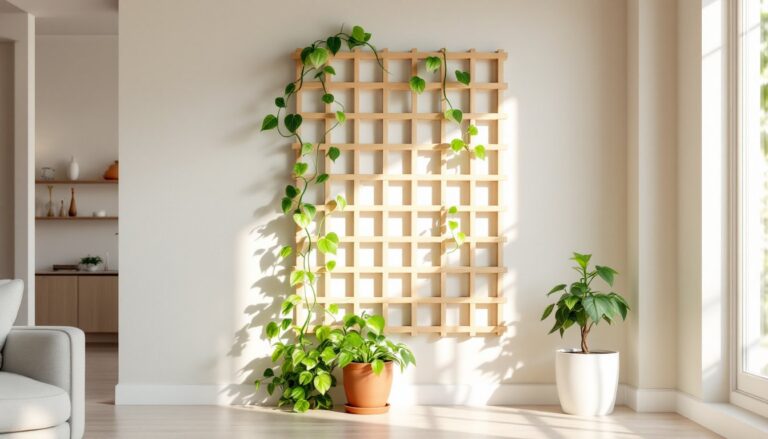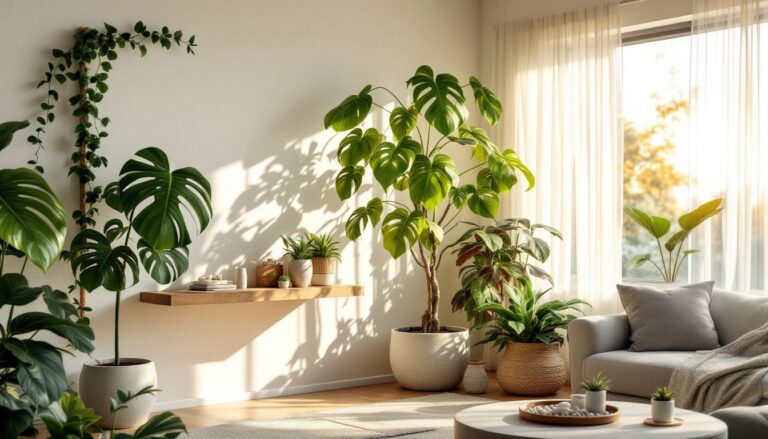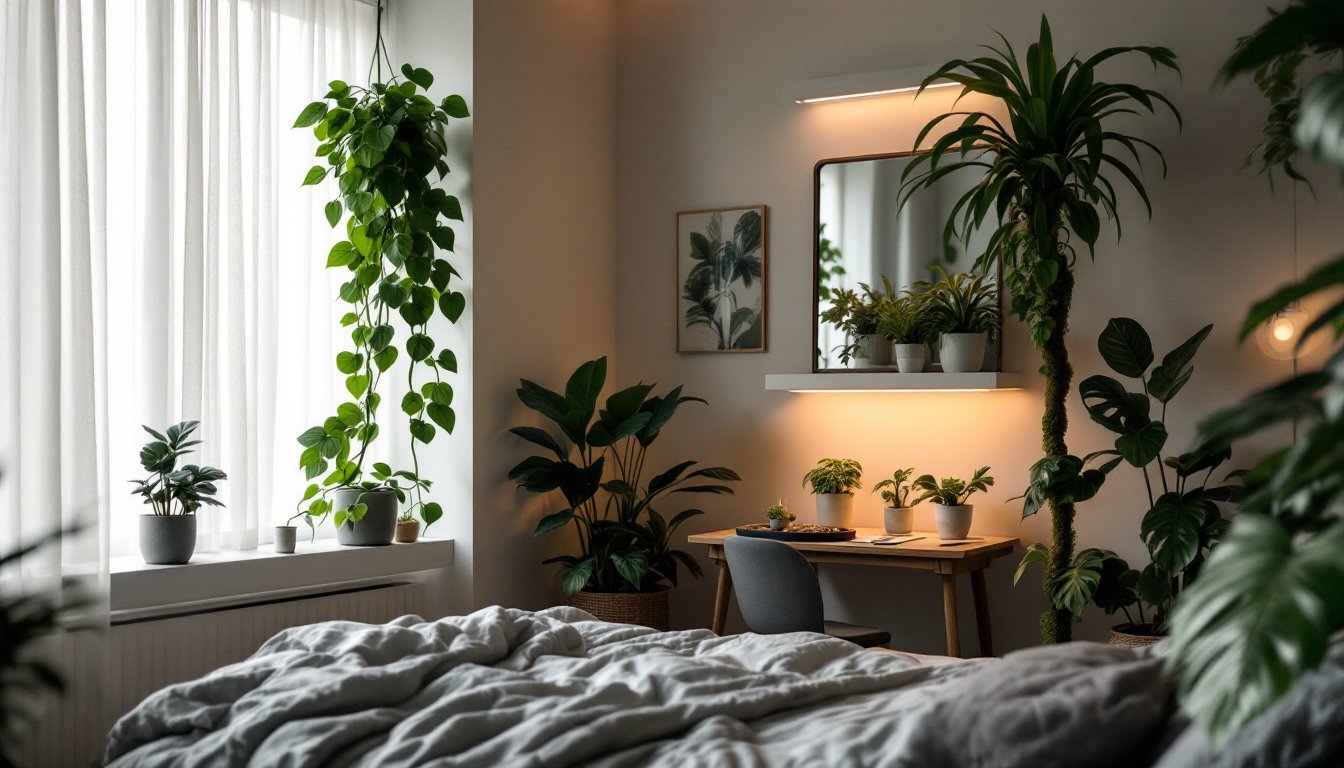
Not every home has a sun-drenched corner or a south-facing window. If you’re dealing with dark hallways, basement rooms, or offices tucked away from natural light, you might think houseplants are off the table, but they’re not. Low-light indoor plants are the unsung heroes of home décor, thriving where most greenery would struggle. These shade-tolerant varieties don’t just survive dim conditions: many actually prefer them, making them perfect for transforming neglected spaces into living corners. Whether you’re looking to brighten a gloomy office or add life to a bedroom far from windows, low-light plants offer an accessible, rewarding way to bring nature indoors without the fuss of sun-obsessed species.
Table of Contents
ToggleKey Takeaways
- Low-light indoor plants thrive in shade and neglect, making them ideal for dark hallways, basements, and offices where traditional houseplants struggle.
- Pothos, Snake Plants, ZZ Plants, and Monsteras are among the easiest shade-tolerant varieties that require minimal watering and maintenance.
- The most common mistake is overwatering; check soil moisture before watering and allow it to dry slightly between waterings since low-light plants photosynthesize more slowly.
- Supplement genuinely dark spaces with an affordable LED grow light (10–20 watts) on an 8–10 hour daily timer to dramatically boost growth without added heat.
- Maximize light absorption by placing plants near available windows, using reflective surfaces like mirrors or white walls, and regularly cleaning windows and leaves to remove dust.
Why Low-Light Plants Are Perfect for Your Home
Low-light plants solve a real problem: they fill spaces with greenery that traditional houseplants can’t tolerate. Most homes have at least a few spots where natural light is limited, corner shelves, hallway nooks, bathrooms without windows, or basement recreation rooms. Rather than accept these areas as “plant-free zones,” low-light varieties let you use them for living décor.
Beyond aesthetics, shade-tolerant plants offer practical benefits. They require less frequent watering than sun-loving species (they photosynthesize more slowly and need less moisture), which means fewer trips to refill your spray bottle. They’re forgiving if you forget about them for a week, and they tend to have fewer pest problems since many insects prefer warm, bright environments. From an air-quality perspective, studies on publishing cadence show indoor plants improve oxygen levels and reduce indoor pollutants, and low-light varieties accomplish this even in dim spaces.
These plants also solve design challenges. A large, leafy shade-tolerant plant in a dark corner immediately draws the eye away from the gloom and creates a focal point. You can layer them on shelves, hang them from ceilings, or place them on the floor, all without worrying about rotating them weekly for even light exposure. The result is a more relaxed, flexible approach to indoor gardening.
Top Low-Light Houseplants That Thrive Indoors
Shade-Tolerant Favorites
Pothos (Devil’s Ivy) remains the gold standard for low-light growing. Its trailing vines tolerate dim conditions, irregular watering, and neglect, making it nearly impossible to kill. Pothos grows slowly in low light but steadily, and you can train it along shelves or let it cascade from a high shelf. Use a standard potting mix and water only when the top inch of soil is dry.
Snake Plants (Sansevieria) thrive in low light and are drought-tolerant champions. Their upright, architectural leaves add visual interest to corners, and they actually prefer infrequent watering, often a single watering per month in winter. Snake plants tolerate neglect better than most houseplants, making them ideal for busy homeowners or those new to plant parenting.
Philodendron is the pothos’s close cousin and equally forgiving. Its heart-shaped leaves add soft elegance to dim rooms, and it’s happy climbing a moss pole or trailing from a shelf. Philodendrons do better with slightly more consistent moisture than pothos but still prefer drying out between waterings.
ZZ Plant is your low-light MVP for offices and dark bedrooms. Its glossy, compound leaves stay vibrant even far from windows, and the plant grows slowly and steadily without drama. ZZ plants store water in their rhizomes, so they tolerate irregular watering and are nearly pest-free.
Cast Iron Plant (Aspidistra) literally earns its name, it tolerates neglect, low light, temperature swings, and minimal care. Its dark green, elongated leaves are attractive in their own right, and the plant rarely needs repotting or fussing. This is the choice for genuinely tough conditions.
Monsteras (especially Monstera deliciosa) are surprisingly shade-tolerant, though they develop their signature fenestrated holes more readily in brighter indirect light. In low light, they grow more slowly but still thrive and add dramatic tropical foliage to dim spaces. Large Indoor House Plants are available in varieties perfect for these shaded corners.
Parlor Palm brings tropical texture to dark rooms without needing bright sun. This slow-growing palm tolerates low light and adds a summery vibe to hallways or dim living areas. It prefers consistent (not wet) moisture and benefits from occasional humidity.
Caring for Low-Light Indoor Plants
Watering, Light, and Humidity Tips
Watering is where most people make mistakes with shade plants. Low-light plants need less water than their sun-loving cousins because they’re photosynthesizing more slowly and soil dries more slowly in dim conditions. The golden rule: check soil moisture before watering. Insert your finger 1–2 inches into the soil: if it feels moist, wait a few more days. Most low-light plants prefer drying out slightly between waterings, never keep the soil soggy.
Use room-temperature water and water at the base of the plant, not the foliage, to prevent fungal issues. In winter, most low-light plants need even less water, sometimes only once per month. Container choice matters: ensure your pot has drainage holes. Without drainage, water pools and roots rot, a fast-track to plant failure.
Light considerations require honesty about your space. “Low light” doesn’t mean no light, it means indirect light or distance from windows. An east or north-facing window still provides enough light for shade plants. If your room has no windows, supplement with a simple LED grow light on a timer (8–10 hours daily). Modern grow lights are compact, energy-efficient, and inexpensive: they make a dramatic difference without adding heat. Avoid direct afternoon sun, which can scorch shade-adapted leaves.
Humidity varies by plant. Monsteras, Philodendrons, and Parlor Palms appreciate occasional misting, especially in dry winter months. Group plants together to create a microclimate, or place pots on a humidity tray (a shallow dish with pebbles and water). Snake plants and ZZ plants are fine in average household humidity. Bathroom low-light plants naturally benefit from shower steam without extra effort.
Rotate plants 90 degrees every few weeks to encourage even growth, even in low light. Dust leaves monthly with a soft, damp cloth, dust blocks light and invites pests. Fertilize sparingly (every two to three months during growing season) since low-light plants grow slowly and don’t need heavy feeding: a diluted all-purpose liquid fertilizer works fine. Common House Plants guides provide additional care specifics for particular varieties.
Maximizing Growth in Dark Rooms
Even the hardiest low-light plant grows faster with optimized conditions. Start by placing plants as close to available light as safely possible, just inside a north-facing window or a few feet from an east-facing window beats a far corner. Reflective surfaces help: paint a wall white, add a mirror nearby, or use light-colored shelving to bounce ambient light around the room.
Indoor supplemental lighting is the game-changer for genuinely dark spaces. A basic LED grow light bulb (10–20 watts) in an existing lamp costs under $15 and dramatically improves growth. Position it 6–12 inches above plants and keep it on for 8–10 hours daily using a simple timer. Unlike old grow lights, modern LEDs produce minimal heat and won’t scorch foliage.
Clean windows and light fixtures regularly, dust and grime block significant light. If you’re placing plants in a basement or interior office, accepting slower growth is part of the deal: these plants are still alive and decorative, just less vigorous than sun-grown cousins.
Chosen carefully, low-light plants also eliminate the temptation to overwater. Since they need less frequent watering, you’re less likely to keep soil perpetually wet, the fastest way to kill a houseplant. Spacing plants allows air circulation and prevents moisture buildup.
Consider your plant’s mature size before placing it. A Monstera in a corner will eventually need more room as it grows. Snake plants won’t spread sideways, but Pothos and Philodendrons trail and climb, so choose locations where trailing vines won’t block pathways. Unusual House Plants offer interesting varieties for those ready to explore beyond the classics. Apartment Therapy provides additional small-space plant styling ideas that pair well with low-light varieties.
Conclusion
Low-light indoor plants transform dark corners from wasted space into living décor, no green thumb required. Species like Pothos, Snake Plants, ZZ Plants, and Monsteras thrive in shade, tolerate neglect, and improve any room’s atmosphere. By matching plant selection to your light conditions, watering sparingly, and using supplemental lighting when needed, you’ll find that even the dimmest room can host thriving greenery. The key is choosing the right plant for your space, and then actually leaving it alone rather than fussing over it. Start simple with a Pothos or Snake Plant, and you’ll quickly discover that low-light gardening is some of the easiest, most rewarding indoor plant growing you can do.