Not every room gets blessed with south-facing windows and dappled afternoon light. If you’re working with a basement corner, a north-facing bedroom, or an interior hallway, the idea of keeping houseplants alive might feel impossible. Here’s the truth: plenty of plants don’t just survive in low-light spaces, they actually prefer them. The secret is knowing which ones work and what they need to stay healthy. This guide walks you through seven proven dark-room plants and the practical care strategies that keep them thriving when sunlight is limited.
Table of Contents
ToggleKey Takeaways
- Indoor plants for dark rooms are possible when you choose shade-tolerant species like snake plants, pothos, and philodendrons that evolved in low-light rainforest environments.
- Overwatering is the leading cause of failure in dark-room plants—reduce watering frequency by 25-50% since soil dries more slowly without direct sunlight.
- Snake plants and cast iron plants are the most resilient dark-room choices, thriving on neglect while tolerating infrequent watering and temperature fluctuations.
- Position dark-room plants as close to windows as practical, use reflective surfaces and LED grow lights to maximize available light, and rotate plants every 2-3 weeks for balanced growth.
- Peace lilies and philodendrons add visual interest through trailing vines and blooms while reliably handling low-light conditions better than demanding tropical varieties.
- Fertilize dark-room plants sparingly every 4-6 weeks during growing season, skip feeding in fall and winter, and accept slower growth as a natural adaptation to limited light.
Why Dark Rooms Don’t Mean Dead Plants
The biggest misconception about low-light plants is that they don’t need light at all. They do, just not much. Most houseplants evolved in rainforest understories, where they adapted to dappled shade filtering through the canopy. These species photosynthesize efficiently in dim conditions, turning minimal light into energy.
When we talk about “low light,” we’re usually referring to spaces with indirect light or rooms positioned away from windows. A north-facing room that gets no direct sun, a corner 10 feet from a window, or a bathroom with frosted glass all qualify. The distinction matters: even ambient light counts. A room with a single uncovered window beats a room with no windows at all.
Modern indoor environments also offer a hidden advantage, LED and fluorescent lighting. While not a replacement for natural sunlight, artificial light from overhead fixtures or lamps provides enough energy for many shade-tolerant species. You don’t need a grow light setup (though it helps). Understanding your light conditions, checking them at different times of day, is the first step to choosing plants that actually fit your space.
Snake Plants: The Ultimate Low-Light Powerhouse
If you’re going to grow one dark-room plant, make it a snake plant (Sansevieria trifasciata). This is the plant that forgives neglect, thrives in dim corners, and still looks architectural and intentional on a shelf. Snake plants are so resilient they’re practically bulletproof for beginners.
Why they work: Snake plants store water in their leaves (they’re succulents), so they tolerate infrequent watering, which is essential in low-light settings where soil dries slower. They also tolerate temperature fluctuations and don’t demand constant humidity. A single indirect light source is enough.
How to keep it happy: Water every 2-3 weeks, and only when soil is completely dry. Overwatering kills more snake plants than any other mistake. They want well-draining soil, use cactus or succulent mix if possible. Position them where they get at least some ambient room light: a dark corner with zero light will eventually cause decline. Snake plants grow slowly, especially in dim conditions, so don’t expect rapid change. That’s part of their appeal.
Variety matters too. The classic tall variety works in tight spaces. The dwarf Golden Hahnii fits smaller shelves. All handle low light with equal toughness.
Pothos and Philodendrons: Trailing Vines That Handle Shade
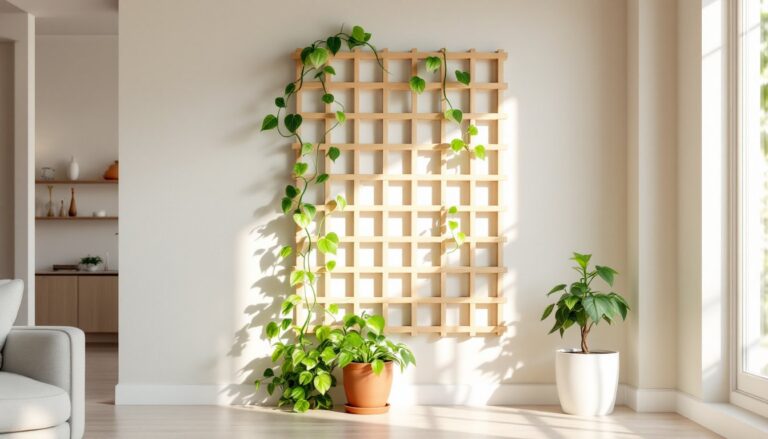
Pothos and Philodendrons are the second tier of dark-room reliability. These vining plants excel at trailing from shelves or climbing up moss poles, adding visual interest even in dim spaces. They’re also forgiving enough for apartment dwellers and rental situations where you can’t modify the space.
Why they work: Both are tropical understory plants, genetically wired for low light. Pothos in particular develops smaller, slower growth in dim conditions, not a flaw, but an adaptation. Leaves stay healthy and colorful even without intense direct sun. They handle variable watering and fluctuating indoor humidity better than fussier tropical plants.
How to keep them happy: Water when the top inch of soil feels dry. In low-light conditions, soil stays moist longer, so water less frequently than you would in bright rooms. Both prefer indirect light. A north-facing window or a spot 5-6 feet from a bright south window works well. Rotate the plant every few weeks so all sides receive equal ambient light and growth stays balanced. If growth slows dramatically or stems look leggy, you might be in too much darkness, consider moving it closer to a light source or adding a low-wattage LED grow light above it.
Philodendrons come in climbing and non-climbing varieties. Heart-leaf Philodendron trails beautifully and tolerates shade. Philodendron Heartleaf adapts to nearly any indoor light condition. Pothos varieties like Marble Queen and classic green Golden both handle dim conditions reliably.
Peace Lilies and Cast Iron Plants: Elegant, Hardy Options
For a more sophisticated look, Peace Lilies (Spathiphyllum) deliver dark-room performance with elegant white blooms. Cast Iron Plants (Aspidistra elatior) offer bold, architectural foliage, the name says it all about their durability.
Peace Lilies thrive where light is genuinely scarce. They bloom indoors even in low light, though flowers come less frequently than in bright conditions. They also signal when they’re thirsty, leaves droop dramatically, but recover quickly after watering. This visual feedback is helpful for beginners figuring out their plant’s needs. Keep soil consistently moist (not soggy) and mist leaves occasionally to boost humidity. They appreciate warmer conditions, so avoid cold drafts near windows or doors.
Cast Iron Plants live up to their name: nearly indestructible. They grow slowly, tolerate neglect, and adapt to dim basements and interior hallways where few plants survive. Foliage is deep green, sometimes variegated, and looks good for years with minimal fuss. Water sparingly and let soil dry between waterings. They prefer cooler conditions and actually prefer lower light to intense direct sun, making them ideal for spaces other plants reject.
Both plants indicate problems clearly: drooping leaves, yellowing, or slow growth usually means light, water, or temperature issues, easy to diagnose and fix. Neither attracts pests readily, another plus for low-light indoor setups.
Caring For Dark-Room Plants: Essential Tips for Success
Owning a dark-room plant means adjusting your care routine. Light limitations change how water moves through soil, how fast plants grow, and how much nutrition they need. Here’s what actually matters.
Watering and Moisture Management
In dim conditions, soil dries more slowly than in bright, warm spaces. The biggest killer of dark-room plants is overwatering. Reduce your normal watering frequency by 25-50% when moving a plant from a bright room to a dim one. Use your fingers: stick them an inch into the soil. If it feels damp, wait another few days. Soggy soil invites root rot, especially in low-light conditions where evaporation is slower and roots aren’t actively growing fast enough to use water quickly.
Draining matters too. Pots must have drainage holes. Use lightweight potting soil, avoid dense garden soil, which stays waterlogged. If you’re repotting, size down slightly: a small pot with snug soil dries faster than a large pot with excess soil around the roots.
Most dark-room plants also tolerate lower humidity than sun-loving tropicals. Skip daily misting unless your space is desert-dry. Water them at the soil level instead, keeping moisture off the foliage where fungal issues can develop in stagnant air.
Maximizing Available Light
You don’t need a dedicated grow light, but strategic placement and simple tweaks help. Position plants as close to windows as practical, even if it’s indirect light. Paint walls light colors or add reflective surfaces (white shelving, mirrors) to bounce ambient light around the room. A single LED grow bulb in a desk lamp or clip light, run 8-10 hours daily, transforms even a basement corner. Modern LED grow lights use minimal electricity and emit true plant-spectrum light without excess heat.
Rotate plants every 2-3 weeks so all sides receive equal light exposure. Dust leaves monthly with a soft cloth, dust blocks light from reaching the leaf surface and slows photosynthesis. Keep the area around your plant clutter-free so light paths aren’t blocked by other furniture.
Expect slower growth in dim conditions. This isn’t failure, it’s normal. Dark-room plants grow, just less aggressively than their sunny counterparts. Fertilize every 4-6 weeks during growing season (spring and summer), and skip feeding entirely in fall and winter when light is lowest and growth slows naturally. Weak diluted fertilizer is safer than full strength: excess nutrients build up in slow-growing soil and can burn roots.
Finally, be honest about your room’s light level. If it’s pitch-dark with zero windows and no artificial light, no houseplant thrives there, not even the toughest options. Common house plants and unusual house plants both require some ambient light to function. If your space truly has none, consider keeping a plant elsewhere and rotating it in for decoration, or install even a simple overhead fixture to provide baseline light. Expert resources like Gardenista’s guide to low-light plants offer deeper insight into matching plants to specific light conditions.