Adding large indoor plants to your home does more than fill empty corners, it transforms the entire atmosphere. Whether you’re looking to soften a stark living room, improve air quality, or simply bring nature indoors, the right plants make all the difference. The best large indoor plants for 2026 blend visual impact with genuine durability, requiring less fussing than most people expect. This guide walks through the top performers that thrive in typical home conditions, clearing away the hype and focusing on plants that actually deliver results.
Table of Contents
ToggleKey Takeaways
- Large indoor plants improve air quality, reduce stress, and serve as living architecture that anchors rooms while creating visual impact.
- Fiddle leaf figs and bird of paradise thrive in bright spaces, while monsteras and rubber plants tolerate moderate light conditions for more flexible placement.
- Overwatering is the leading cause of plant failure—water only when the top 1-2 inches of soil feel dry and ensure proper drainage to prevent root rot.
- Monstera deliciosa and snake plants are ideal for beginners due to their resilience, forgiving watering schedules, and ability to adapt to varying home conditions.
- Assess your home’s actual light conditions, humidity levels, and your watering habits before selecting large indoor plants rather than choosing aspirational varieties that don’t match your environment.
- Repot actively growing plants every 12-18 months into containers only 1-2 inches larger, and adjust watering and feeding seasonally to align with natural growth cycles.
Why Large Indoor Plants Matter for Your Home
Large indoor plants serve a practical purpose beyond aesthetics. They absorb carbon dioxide and release oxygen, genuinely improving air quality in your living space. A single mature plant can noticeably impact humidity levels, which helps with dry skin, respiratory comfort, and even wood furniture longevity.
Psychologically, greenery reduces stress and creates a sense of calm. Research consistently shows that homes with living plants feel more inviting and help occupants feel grounded. When exploring large indoor house plants, you’re not just adding décor, you’re investing in your space and well-being.
From a design perspective, a well-placed large plant works like living architecture. It anchors a room, defines spaces, and requires minimal styling effort compared to traditional décor. A fiddle leaf fig in a corner or monstera against a blank wall instantly elevates the entire room’s sophistication.
Fiddle Leaf Fig: The Bold Statement Plant
The Ficus lyrata (fiddle leaf fig) has become the default choice for homeowners wanting dramatic impact. Its large, violin-shaped leaves make an unmistakable statement, and it genuinely prefers to stay in one spot once acclimated.
This plant thrives in bright, indirect light, think near a west-facing window without harsh afternoon sun scorching the leaves. Water when the top 1-2 inches of soil feel dry: overwatering is the quickest killer. These plants like consistency, so pick a location with stable temperatures and low foot traffic.
The challenge: fiddle leaf figs are somewhat finicky about their environment. Moving it frequently causes leaf drop, and cold drafts invite problems. But, once established in the right spot, it grows steadily with minimal intervention. You’ll occasionally need to wipe down those distinctive leaves to keep them photosynthesizing at peak efficiency. Allow at least 6-8 feet of vertical space for mature growth.
Monstera Deliciosa: The Iconic Split-Leaf Beauty
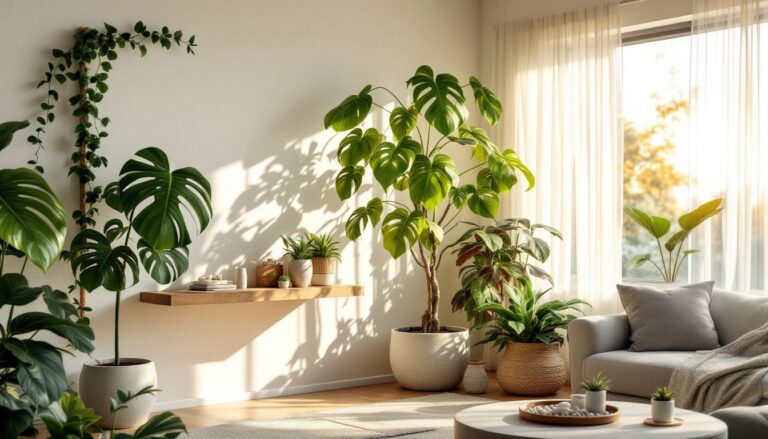
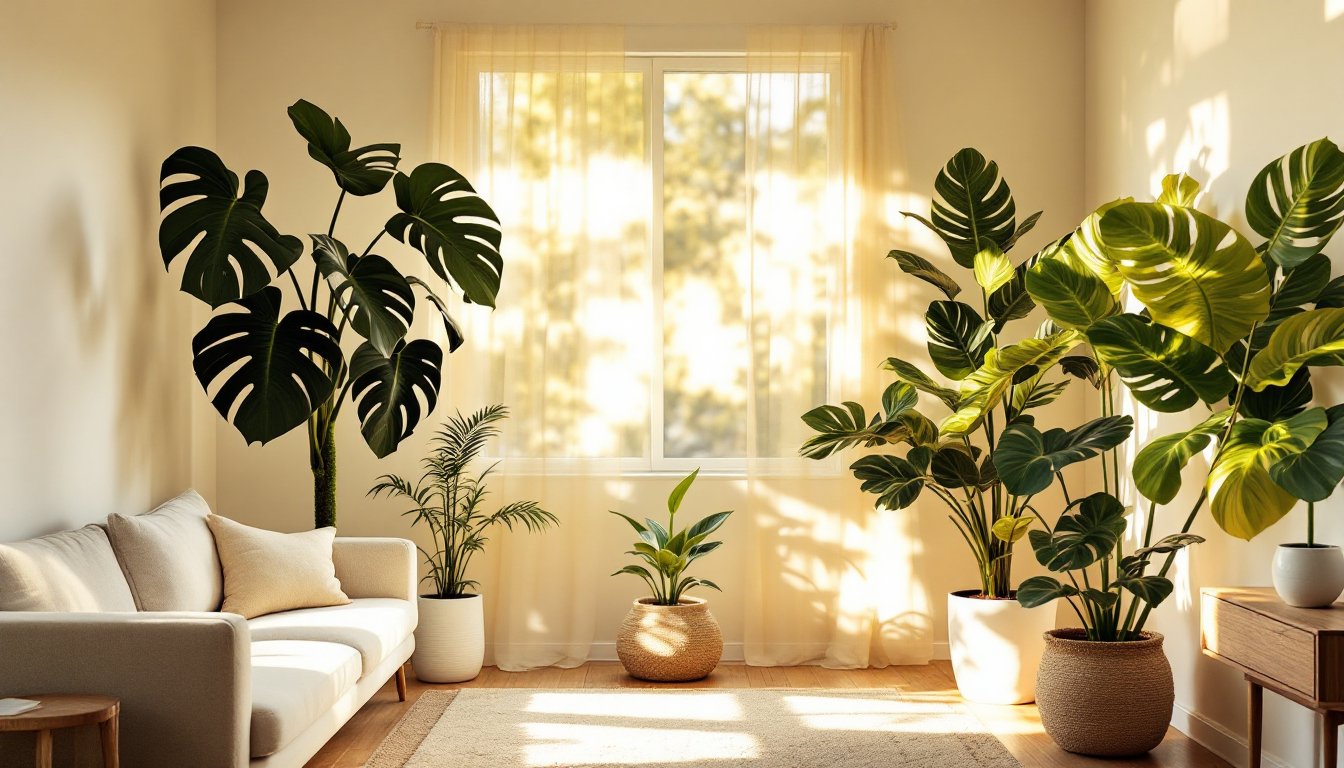
The Monstera deliciosa deserves its reputation as a forgiving workhorse. Those dramatic split leaves aren’t just for show, they’re the plant’s natural adaptation to allow light penetration in dense tropical understories, and they make for stunning visual drama in your home.
Monster thrives in moderate to bright indirect light but tolerates lower light better than most large plants. It’s genuinely flexible with watering: let the soil dry between waterings, and it’ll adapt to your schedule. This is the plant for someone who occasionally forgets to water but doesn’t want obvious consequences.
One practical advantage: monsteras are relatively pest-resistant and rarely suffer from mysterious decline. They develop aerial roots naturally, which some people find charming (tying them to moss poles encourages climbing growth) and others tie back neatly. With enough space, these plants grow 10+ feet tall, making them ideal statement pieces for living rooms or entryways. The mature leaves can reach 12+ inches, creating that unmistakable tropical impact.
Bird of Paradise: Tropical Flair for Modern Homes
The Strelitzia reginae brings genuine tropical presence without requiring humid greenhouse conditions. Its dramatic orange and blue flowers, if you get it to bloom, are stunning, though the foliage alone justifies the plant’s place in any room.
Bird of Paradise demands bright light, ideally 6+ hours daily. It’s one of the few large indoor plants that genuinely prefers slightly drier conditions, so it fits well in homes where consistent humidity is challenging. This plant rewards good light and patience with growth: skimping on brightness is the fastest way to a disappointing plant.
Water thoroughly during the growing season (spring and summer) but reduce frequency in fall and winter. The plant tolerates temperature fluctuations better than fiddle leaf figs, making it suitable for homes with variable climates. Mature specimens reach 5-6 feet indoors, creating height without sprawling width. Unlike monsetras, this plant has a distinct architectural quality, think modern botanical rather than jungle aesthetic.
Snake Plant and Rubber Plant: Resilient Tall Growers
The Sansevieria trifasciata (snake plant) and Ficus elastica (rubber plant) round out the resilience category, plants that tolerate genuine neglect without falling apart.
Snake plants are nearly indestructible. They handle low light, inconsistent watering, and temperature swings that would stress other plants. The tall, spiky varieties like ‘Laurentii’ can reach 3-4 feet and fit naturally into tight corners or beside furniture. They’re air-purifying workhorses, improving indoor air quality more effectively than most houseplants. Water sparingly, once every 2-3 weeks in winter and every 3-4 weeks during growing season.
The rubber plant offers a softer aesthetic with glossy, paddle-shaped leaves. It’s equally forgiving of irregular watering and adapts to moderate light, though it prefers brightness. Rubber plants grow rapidly, reaching 6-10 feet indoors with proper support. Prune the top growth to encourage bushier development rather than a single leggy stem. Both plants are low-maintenance choices for beginners and busy homeowners. Check 50 Most Common House Plants with Pictures for additional resilient options in this category.
Essential Care Tips for Large Indoor Plants
Successful large plant care boils down to five fundamentals: light, water, humidity, temperature, and repotting schedules.
Light is non-negotiable. Assess your available natural light honestly, north-facing rooms offer only bright, indirect conditions, while south-facing windows deliver intense direct sun. Most large tropical plants prefer bright, indirect light. If natural light is limited, consider coolest house plants that specifically tolerate lower-light conditions.
Watering mistakes kill more plants than any pest. Water when the top 1-2 inches of soil feel dry to the touch (not when the entire pot is parched). Overwatered roots rot quickly: underwater plants simply stop growing temporarily. Drainage is critical, never let a plant sit in standing water.
Humidity varies by plant, but most tropical varieties benefit from occasional misting or a pebble tray beneath the pot. Group plants together to create microclimate benefits. In winter, heated indoor air dries quickly: watch for crispy leaf edges as a humidity warning.
Repotting happens every 12-18 months for actively growing plants. Move to a pot only 1-2 inches larger in diameter: oversized pots hold excess moisture. Use well-draining soil mixed with perlite or orchid bark to prevent compaction.
Seasonal adjustments matter. Most plants slow growth in fall and winter, requiring less water and fertilizer. Spring marks the growing season, water more frequently and feed monthly. Watch for signs of stress: yellowing lower leaves (often overwatering), brown crispy tips (underwatering or low humidity), or pale growth (insufficient light). According to resources like The Spruce, consistent observation beats guesswork every time.
Conclusion
The best large indoor plants for your home depend on honest assessment of your light conditions, watering habits, and available space. Fiddle leaf figs and bird of paradise suit bright spaces: monsteras and rubber plants handle moderate conditions: snake plants thrive where others struggle. Start with one plant matched to your actual environment rather than fighting conditions for something aspirational. Success with large plants builds confidence, making future additions feel natural rather than risky.