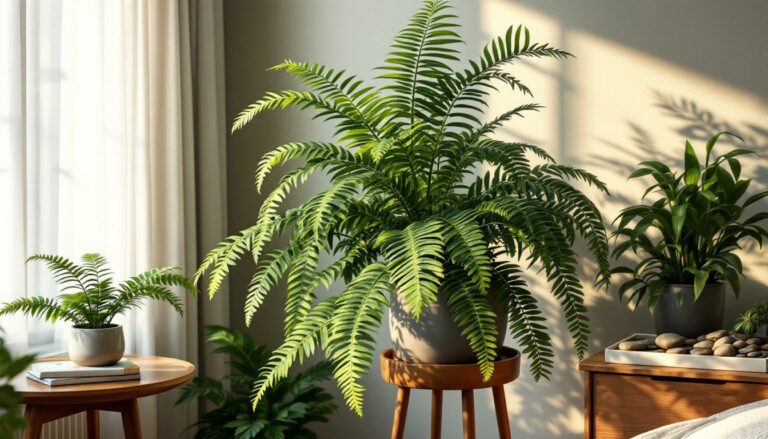
Not every corner of your home gets direct sunlight, and that shouldn’t stop you from adding greenery. Dark indoor plants are the practical answer for rooms with limited natural light, whether it’s a basement den, a north-facing bedroom, or a hallway far from windows. These shade-tolerant species don’t just survive in low-light conditions: many thrive on it, reducing the guesswork out of plant care. If you’ve been avoiding plants because your home doesn’t get that perfect afternoon sun, it’s time to reconsider. The right dark indoor plants can transform shadowy spaces into lush, living areas while improving air quality and adding visual depth to your décor.
Table of Contents
ToggleKey Takeaways
- Dark indoor plants are shade-tolerant species that thrive in low-light conditions, eliminating the need for direct sunlight and making them ideal for basements, north-facing rooms, and hallways.
- Pothos, snake plants, and ZZ plants are the most reliable dark indoor plants for beginners, requiring minimal maintenance and tolerating neglect, variable watering, and fluctuating humidity.
- Overwatering is the primary killer of dark indoor plants; reduce typical watering schedules by 25–50 percent in low light and check soil moisture before watering to prevent root rot.
- Dark indoor plants require spaces with at least 50–100 foot-candles of light (where you can read comfortably), and fluorescent or LED grow lights can supplement truly dark areas like windowless basements.
- Proper drainage is non-negotiable for dark indoor plants—use well-draining potting mix with drainage holes and amend heavy soil with perlite to prevent moisture retention and root rot.
Why Dark Indoor Plants Are the Ultimate Solution for Low-Light Spaces
Low-light spaces present a real challenge for traditional houseplants. Most popular varieties demand bright, indirect light to photosynthesize efficiently, without it, they get leggy, pale, and eventually decline. Dark indoor plants flip this equation. They’ve adapted to thrive in understory forest conditions where sunlight is filtered and indirect, making them perfectly suited to your hallway, bathroom, or basement office.
Beyond survival, dark indoor plants offer practical advantages for homeowners. They reduce watering requirements because less light means slower growth and lower evaporation rates. They’re forgiving of neglect, a real selling point for busy households. Many also tolerate fluctuating humidity and temperature swings that would stress sun-loving varieties. If you’re looking for living décor that won’t demand daily attention, dark indoor plants deliver exactly that. Plus, their deep foliage often pairs beautifully with contemporary and farmhouse aesthetics alike.
Pothos: The Low-Light Champion Every Homeowner Needs
Pothos (Epipremnum aureum), also called devil’s ivy, is the workhorse of low-light gardening. This trailing vine tolerates everything from dim corners to fluorescent office lighting without complaint. It grows slowly in low light, which actually makes it easier to manage, and bounces back quickly from neglect or overwatering mistakes.
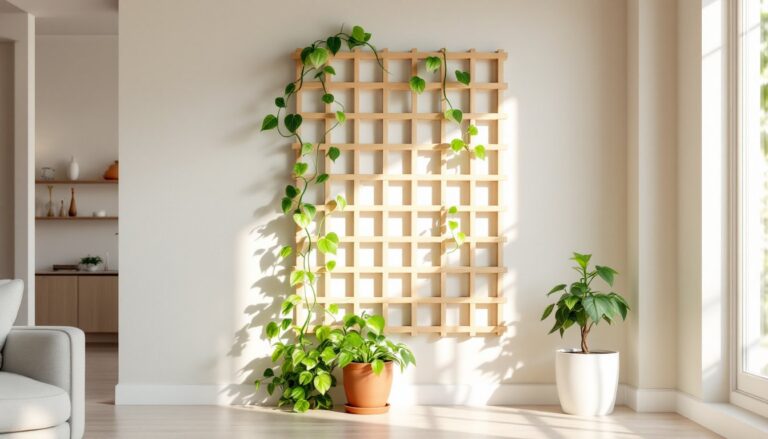
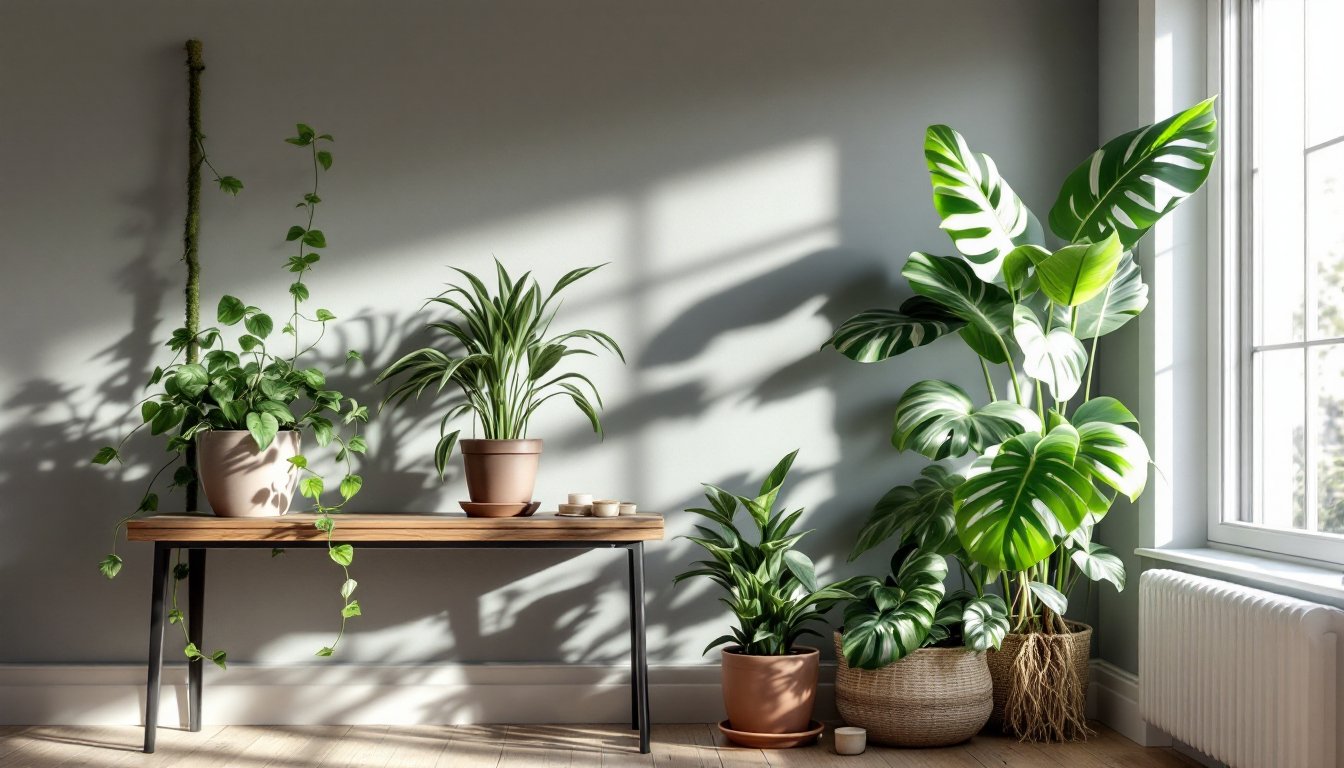
The beauty of pothos is its adaptability. You can train it as a trailing cascade from a shelf, stake it upright on a moss pole for a more compact look, or let it ramble across a bookshelf. The heart-shaped leaves come in solid green or variegated white-and-green varieties (though variegation fades significantly in very dim light, so expect mostly green foliage in true shade). Pothos roots readily in water, making propagation trivial if you want to multiply your plants or share cuttings with friends.
For care, allow the top inch of soil to dry between waterings, these are succulent-leaning vines and overwatering causes stem rot faster than underwatering does. Use a pot with drainage holes and well-draining potting mix. In dim light, this plant needs water only every two to three weeks depending on temperature. Fertilize sparingly during growing season: low light means slow growth, so you’re not feeding heavy feeders here.
Snake Plants and ZZ Plants: Durable Shade Lovers for Beginners
Snake plants (Sansevieria) and ZZ plants (Zamioculcas zamiifolia) are the reliable anchors of low-light gardening. Both tolerate neglect, variable watering schedules, and lighting conditions that would kill most houseplants. They’re nearly foolproof, which explains their ubiquity in offices, lobbies, and dorm rooms.
Snake plants stand upright with sword-like variegated leaves in green and cream. They propagate from leaf cuttings, snip a single leaf, stick it in soil, and wait for baby plants. ZZ plants grow more horizontally with glossy, compound leaflets that look almost plastic-like in their perfection. Both reach two to three feet tall in moderate conditions, making them good for anchoring corners without dominating the space.
These plants are drought-tolerant because they store water in their rhizomes and leaflets. Water deeply but infrequently, once every three to four weeks is typical in low light. Let soil dry completely between waterings: soggy soil kills them faster than any light deficiency. They prefer standard potting mix with added perlite for drainage. The one weakness both share is susceptibility to root rot, so err on the side of dryness. These aren’t plants that reward frequent fussing, and that’s the point. Many homeowners place them in dark bathrooms or bedrooms and forget about them for weeks with excellent results.
Philodendrons and Monsteras: Statement Foliage for Dim Corners
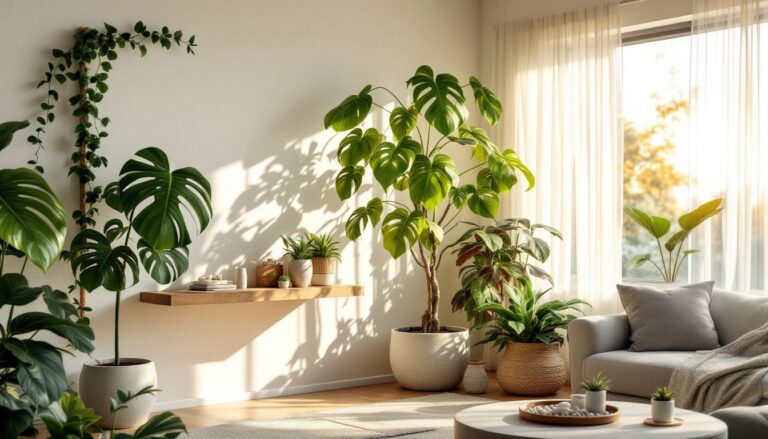
If you want dark indoor plants with real visual impact, philodendrons and monsteras deliver. Philodendrons come in climbing and non-climbing types with heart-shaped or deeply lobed leaves. Many stay compact and tidy, while others vine enthusiastically, useful if you need a trailing plant or have vertical space to fill. Monsteras (particularly Monstera deliciosa) produce dramatic split leaves as they mature, creating that jungle-aesthetic everyone craves.
Both tolerate moderate to low light better than their reputation suggests, though growth slows noticeably without bright, indirect light. In dim conditions, monsteras are slower to split their leaves and won’t reach dramatic proportions, but they’ll still grow, just in a more measured way. This can actually be an advantage if you prefer a compact form.
Watering follows the same logic as pothos: let the top inch of soil dry before watering again. These are fast-growing plants with heavier water demands than snake plants, but they’re not aquatic, overwatering remains the primary killer. Use well-draining potting mix, and if you have a philodendron variety you’re curious about, remember that most handle low light as long as it’s consistent. Older monsteras develop long aerial roots that look sculptural: you can either let them dangle for visual interest or tuck them into the soil. Many homeowners train monsteras up a moss pole or trellis to create living wall art in shadowy corners.
Caring for Dark Indoor Plants: Essential Light, Water, and Humidity Tips
Dark indoor plants reduce care complexity, but they’re not zero-maintenance. The key is matching care to their lower metabolic rate in dim light.
Light: Dim isn’t the same as completely dark. Aim for spaces where you can read without difficulty during daylight, that’s typically 50 to 100 foot-candles, the minimum for most shade plants. North-facing windows, interior hallways with ambient light, or spaces 6 to 8 feet from a window usually work. If you’re placing plants in a bathroom with no windows or a basement office with only artificial light, fluorescent bulbs can supplement, leave them on 12 to 14 hours daily. LED grow lights also work, though they’re optional unless you’re dealing with truly dark corners.
Drainage: This is non-negotiable. Every pot needs drainage holes. Use potting mix formulated for indoor plants, not garden soil (which compacts and holds moisture). If standard potting mix feels too heavy, amend it with perlite at a 3:1 ratio. Ceramic, terracotta, or plastic all work: terracotta dries faster, which can be a disadvantage in low light where water moves slowly through the soil.
Watering: In low light, growth slows dramatically, which means plants transpire less water and soil stays moist longer. Cut back from typical schedules by 25 to 50 percent. Check soil moisture before watering by inserting your finger one inch deep, if it’s damp, wait another few days. Most dark indoor plants need water only every two to four weeks depending on temperature, humidity, and pot material. Winter watering is even less frequent. Overwatering is the number-one killer of shade plants because their slow growth can’t use excess moisture efficiently.
Watering and Drainage Requirements
Water your dark indoor plants with room-temperature water. Cold water can shock roots and trigger root rot in slow-growing plants. For most shade plants, a light soaking every two to four weeks beats daily spritzers. If the pot feels heavy, don’t water yet. If it feels light and top soil is dry, water until it drains from the bottom, then dump excess from the saucer immediately.
Humidity is secondary in low-light spaces because slow growth and lower transpiration mean plants aren’t stressed by dry air. But, if your home runs very dry (below 30 percent relative humidity), misting occasionally or grouping plants together raises humidity slightly. Misting alone won’t prevent spider mites, but grouped plants benefit from increased ambient moisture.
Conclusion
Dark indoor plants aren’t compromise choices, they’re the right tool for the job in low-light spaces. Whether you choose reliable pothos, nearly-indestructible snake plants, or statement-making monsteras, shade-tolerant varieties thrive where sunlight is limited. By matching care to their slower growth rate and being honest about your space’s light conditions, you’ll succeed where many gardeners fail. Start with one or two species, learn their preferences, and you’ll quickly build a shadowy corner from dull to green. The 50 most common house plants includes many low-light tolerant options if you want a comprehensive guide to varieties and care requirements.