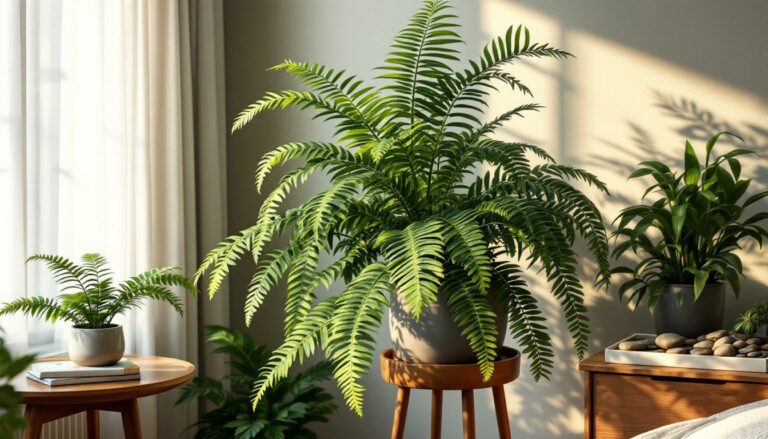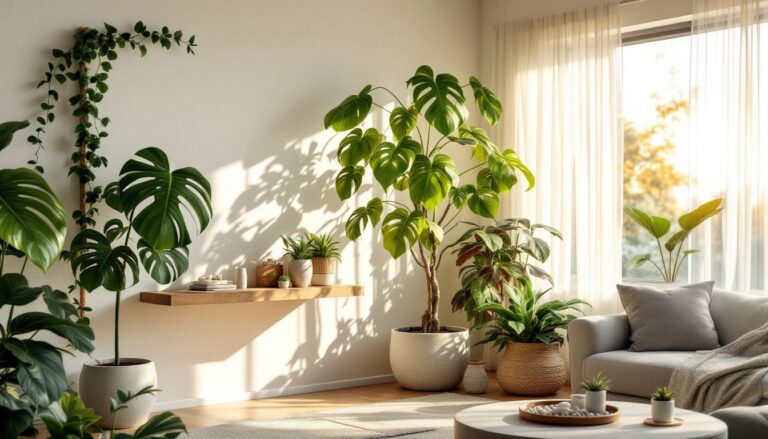
Trailing ivy plants have become a cornerstone of modern indoor decorating, and for good reason. They’re forgiving, visually striking, and surprisingly practical for homeowners looking to add greenery without high-maintenance fuss. Whether you’re draping them across a bookshelf, anchoring a corner plant stand, or hanging them from a macramé holder, ivy plants indoor bring life to spaces that might otherwise feel sterile. Unlike finicky orchids or temperamental ferns, ivy varieties adapt well to the typical home environment, moderate light, occasional water, and basic humidity. If you’ve been hesitant to bring plants indoors, ivy is the perfect starting point. This guide walks you through selecting the right variety, setting up proper care routines, and styling your ivy for maximum visual impact.
Table of Contents
ToggleKey Takeaways
- Ivy plants indoor are low-maintenance, forgiving alternatives to high-fuss houseplants, requiring only watering every 7–10 days, moderate light, and minimal humidity management.
- English ivy and Algerian ivy are the top varieties for indoor growing, with English ivy thriving in cooler rooms (50–65°F) and Algerian ivy performing better in warm, humid spaces like bathrooms.
- Ivy prefers bright, indirect sunlight for 6–8 hours daily, but tolerates lower light in living rooms or hallways, making it one of the most flexible houseplants for placement.
- Overwatering is the primary threat to indoor ivy—water only when the top 1–2 inches of soil feel dry, and ensure drainage holes prevent root rot.
- Trailing ivy excels in hanging baskets, draped over shelves, or mounted on trellises, where it softens hard lines and adds visual continuity to any décor style.
- Propagating ivy is simple: cut 4–6 inch sections, place in water for one to two weeks until roots form, then multiply your collection cheaply or share with friends.
Why Ivy Plants Are Perfect for Your Indoor Home
Ivy plants excel indoors because they’re designed by nature to climb and sprawl with minimal intervention. They purify air by filtering toxins, a genuine benefit, not marketing hype, and they’re nearly impossible to kill through occasional neglect. Most homeowners appreciate that ivy doesn’t demand daily fussing: water every 7–10 days depending on soil dryness, and you’re good. Their trailing habit makes them work in tight spaces where upright plants won’t fit: shelving units, high windowsills, or hanging from ceiling brackets.
Another practical win is propagation. Snip a 4- to 6-inch cutting, pop it in water for a week or two, and you’ve got roots forming. This means you can multiply your collection cheaply or gift cuttings to friends. From a DIY perspective, ivy is also forgiving about pot size and substrate mix. Standard potting soil works fine, and you can keep a plant in the same container for 2–3 years before upsizing. For renters or people who move frequently, that’s invaluable, no major repotting projects, just a low-commitment green companion.
Indoor ivy also tolerates lower light than many houseplants. While they prefer bright, indirect sunlight, they’ll survive and grow (albeit more slowly) in moderate or filtered light typical of living rooms or bedrooms. This flexibility means you’re not locked into placing ivy only on south-facing windowsills. You can tuck it into corners, bathrooms with high windows, or hallways that would challenge other plants.
Best Ivy Varieties to Grow Indoors
Not all ivy performs equally indoors. The varieties that thrive in containers differ from outdoor landscape ivy in their compact growth and tolerance for controlled indoor conditions.
English Ivy and Algerian Ivy
English ivy (Hedera helix) is the gold standard for indoor growing. It’s hardy, compact, and comes in dozens of cultivars, from deep green ‘Hibernica’ to variegated ‘Oro di Bogliasco’ with yellow-splashed leaves. The leaves are smaller than you might expect (roughly 1–2 inches), giving it a fine, delicate appearance on shelves or hanging baskets. English ivy tolerates cooler rooms (around 50–65°F), which makes it ideal for north-facing windows or less-heated spaces. Growth is steady but not aggressive indoors, so it won’t overtake a room.
Algerian ivy (Hedera canariensis) is similar but slightly more dramatic, with larger leaves (2–4 inches) and a slightly bushier habit. It prefers warmth and humidity over English ivy’s cool preference, making it better suited to bathrooms or kitchens. Both varieties are widely available at garden centers or nurseries and ship well from online retailers. One practical consideration: check for mealybugs or spider mites on the undersides of leaves before bringing home any ivy. Catching infestations early saves headaches later.
Hedera and Heart-Leaf Philodendron
While true Hedera varieties dominate the ivy category, Heart-leaf Philodendron (Philodendron hederaceum) is often lumped in with ivy because it mimics ivy’s trailing behavior and care needs so closely. It’s technically not ivy, it’s a philodendron, but the distinction matters less than knowing both tolerate similar conditions. Heart-leaf philo has slightly softer, more heart-shaped leaves and grows very quickly indoors (sometimes too quickly if you want a slow, controlled look). It’s slightly more tolerant of low light than English ivy and thrives in humid environments.
For indoor growing, prioritize English ivy for reliability and Algerian ivy for dramatic foliage if your home runs warm. Heart-leaf philodendron is an excellent backup if you want vigorous trailing growth and don’t mind trimming frequently. All three are available as rooted cuttings or established plants: starter cuttings are budget-friendly and rewarding if you’re comfortable propagating.
Essential Care Requirements for Indoor Ivy Success
Successful indoor ivy comes down to three non-negotiables: light, water, and humidity. Get these right, and you’ll barely need to think about your plant.
Light, Water, and Humidity Needs
Light is the most important variable. Ivy prefers bright, indirect sunlight, roughly 6–8 hours daily is ideal. A north-facing window with ambient daylight, an east-facing window with morning sun, or a few feet back from a south-facing window all work well. If your light is dim (like in a basement apartment or an interior hallway), ivy will survive but grow more slowly and produce smaller leaves. Rotate the pot every 2–3 weeks to ensure even growth on all sides: without rotation, the plant will lean toward the light source and become lopsided.
Watering is where many people falter. The cardinal rule: water only when the top 1–2 inches of soil feel dry to the touch. Stick your finger into the soil: if it’s moist, wait 3–5 more days. If it’s dry, water until water drains from the pot’s drainage holes, don’t let the pot sit in standing water, or roots rot. In cooler months (fall and winter), ivy needs less water because growth slows. Overwatering is the #1 killer of houseplants, so err on the side of dry rather than wet.
Use room-temperature water, preferably filtered or left out overnight to let chlorine evaporate. Tap water’s fine, but some plants are sensitive to fluoride or heavy chlorination, if you notice leaf tip browning, try filtered water.
Humidity affects ivy’s overall vigor. Ideal humidity is 50–70%, which is higher than most homes in winter (heated interiors drop to 30–40%). You don’t need to obsess over a humidifier, but occasional misting (weekly, using a spray bottle) prevents leaves from drying out and helps the plant breathe. Grouping multiple plants together creates a micro-humid environment. Placing the pot on a pebble tray filled with water also works, the water evaporates around the foliage without the pot sitting in water.
Fertilize monthly during the growing season (spring and summer) with a balanced, diluted liquid fertilizer (something labeled 10-10-10 works). Skip fertilizing in fall and winter when growth naturally slows. Fresh potting soil contains nutrients, so don’t fertilize immediately after repotting: wait 4–6 weeks. Overfeeding causes salt buildup in the soil and leaf scorching, so less is more.
Pests are rare indoors but do watch for spider mites (tiny webbing on leaf undersides) and mealybugs (white cotton-like clusters). A spray of insecticidal soap or neem oil every 7–10 days clears most infestations. Isolate an affected plant from other houseplants to prevent spreading. In most cases, regular misting and good air circulation prevent pest problems altogether.
Styling and Displaying Ivy Plants in Your Home
Once your ivy is established and thriving, the fun part is showcasing it. Trailing ivy is incredibly versatile, it adapts to nearly any décor style.
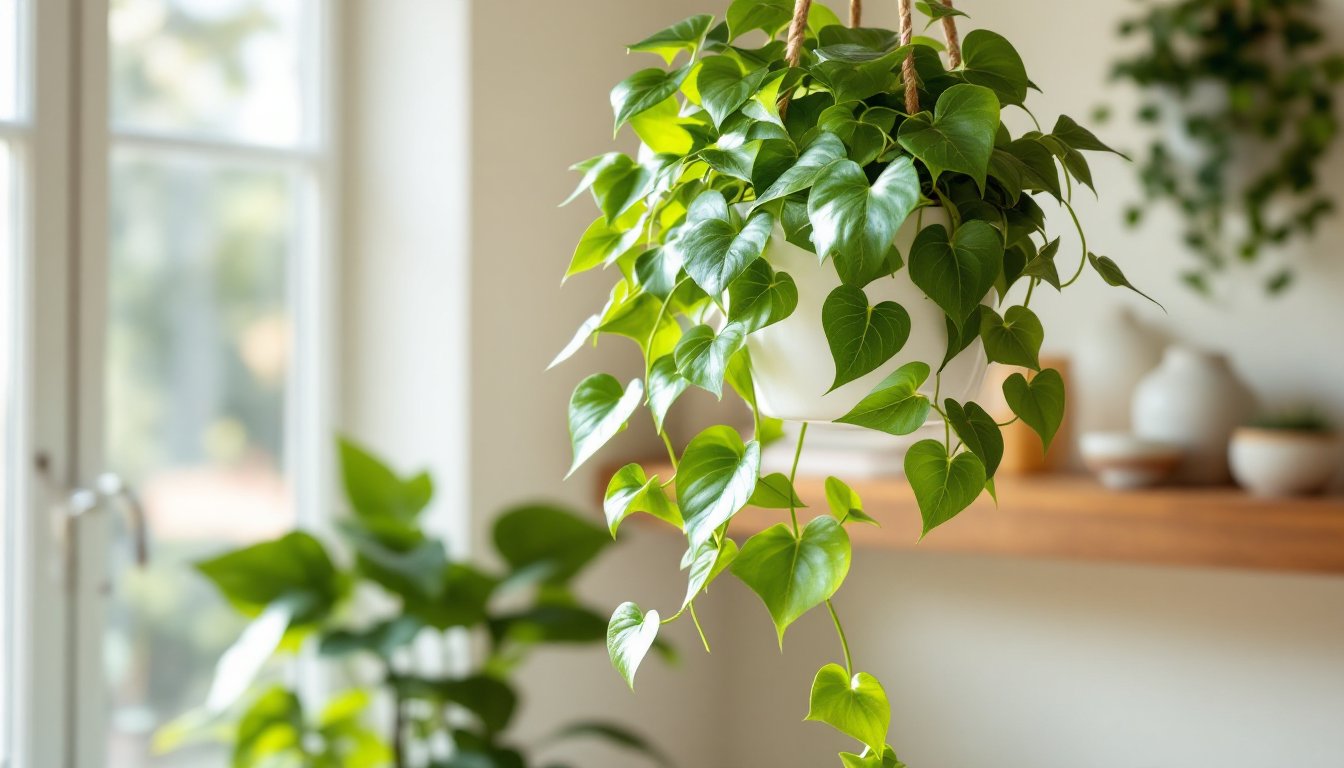
Hanging baskets are the classic choice. Use a pot with drainage holes (plastic is lighter for overhead mounting, ceramic looks nicer), line the bottom with a saucer or drainage tray, and hang it from a sturdy ceiling hook rated for at least 5 pounds (pot, soil, and water combined weigh more than you’d expect). Macramé plant hangers add visual interest and work with modern, bohemian, or eclectic interiors.
Shelf styling is where ivy shines. Drape trailing stems over the edge of a bookshelf or floating wall-mounted shelf. As it grows, the vines soften hard lines and create visual continuity. Pair ivy with books, small ceramics, or framed photos for layered, curated spacing that doesn’t feel cluttered.
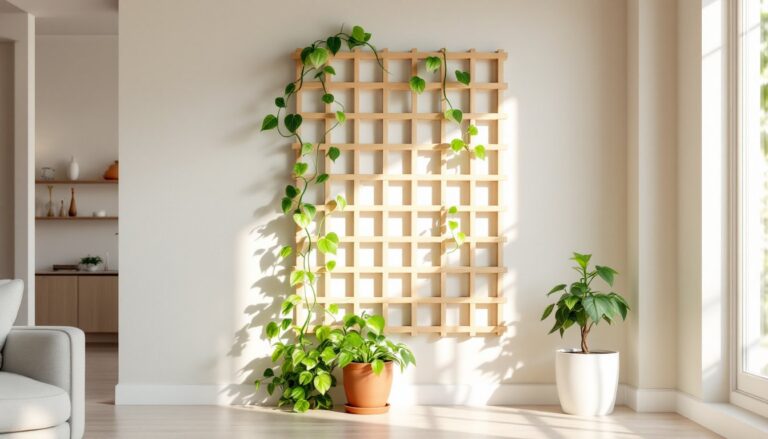
Wall-mounted shelves or trellises add structure. While ivy doesn’t need climbing support indoors (it trails naturally), installing a small wooden trellis or moss pole gives the plant a vertical element and fills blank wall space. This works especially well in corners or along hallway walls where hanging baskets would obstruct walking paths.
Terrariums or closed glass containers create a contained, low-maintenance showcase, though humidity in sealed environments can lead to mold. Keep the terrarium on a bright, indirect-light shelf and leave the lid cracked slightly for air circulation.
Color coordination matters too. Pale-leaved variegated ivy (like ‘Glacier’) brightens dark corners, while deep-green English ivy complements warm-toned woods and earth-colored décor. Pot color is equally important, white or neutral ceramic keeps focus on the foliage, while terracotta or colored pots add warmth. Avoid dark pots in direct sun, as they absorb heat and can scald roots.
For homeowners interested in broader plant collections, viney house plants offer multiple trailing options to combine with ivy for dynamic, layered arrangements. Mixing ivy with other houseplants, like pothos, string of pearls, or wandering jew, creates richer visual interest and extends your watering routine across different plant types. Keep in mind that 50 most common houseplant collections often feature ivy as a foundational element, which speaks to its reliability and popularity.
When styling multiple ivy plants, consider size variation. Cluster a large hanging basket with smaller potted specimens on a shelf, or stagger heights on plant stands. This variation makes an arrangement feel intentional and alive, not flat or uniform. Rotate décor seasonally, in winter, group plants closer for visual warmth: in summer, spread them out to maximize air circulation.
One final practical note: ensure whatever mounting hardware you use is rated for weight. A large, mature hanging basket filled with moist soil can weigh 8–10 pounds. Drywall anchors alone aren’t sufficient, drill into wall studs or use heavy-duty toggle bolts to prevent injury or damage.