Bringing greenery into your home doesn’t require a green thumb or expensive equipment, it just requires knowing which plants actually thrive indoors. Whether you’re a first-time plant parent or a seasoned gardener looking for low-maintenance options, indoor plants add life to any room while improving air quality. From trailing vines to flowering varieties, there’s a plant for every space and skill level. This guide covers the most popular and practical indoor houseplants, helping you select the right species for your home’s conditions and your lifestyle.
Table of Contents
ToggleKey Takeaways
- Pothos and Philodendrons are nearly indestructible trailing houseplants that tolerate low light, irregular watering, and neglect, making them ideal starter plants for busy homeowners.
- Monstera and Swiss Cheese Plants create dramatic visual statements with their distinctive perforated leaves and grow best with indirect bright light and a moss pole for support.
- Flowering houseplants like African Violets, Orchids, and Anthuriums add color and interest but require more attention to light and consistent moisture than common house plants names suggest.
- Succulents and cacti are the ultimate low-maintenance choice for beginners, thriving on neglect and minimal watering in bright light with well-draining soil.
- Specialty plants like Calatheas, Alocasias, and ZZ Plants offer more dynamic growth and visual rewards once you’ve mastered basic indoor houseplant care.
- Match your plant selection to your available light conditions, watering consistency, and patience level to ensure success and long-term enjoyment.
Leafy Indoor Plants for Easy Home Decoration
Leafy plants are the workhorses of indoor gardening, hardy, forgiving, and effective at filling empty corners. They adapt to a range of light conditions and rarely demand special treatment, making them ideal starter plants. Most leafy varieties require minimal pruning and grow quickly enough to feel rewarding without being dramatic.
Pothos and Philodendrons
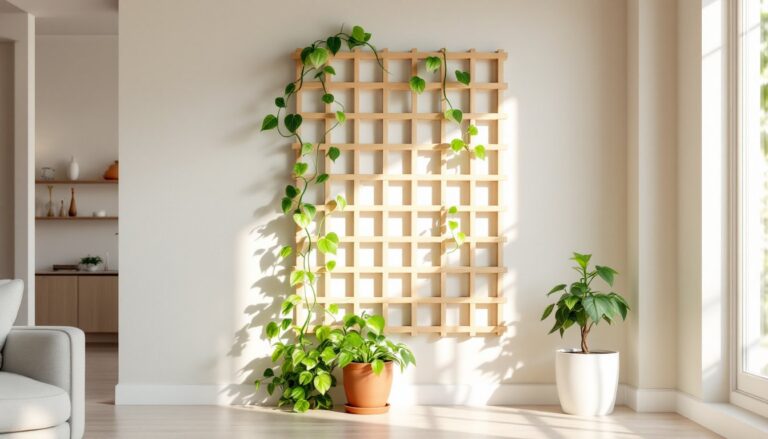
Pothos (also called Devil’s Ivy) is nearly indestructible. This trailing vine tolerates low light, irregular watering, and neglect better than almost any houseplant. It grows rapidly and looks equally good cascading from a hanging pot or climbing a moss pole. The heart-shaped leaves come in solid green or variegated varieties like Golden Pothos, which features yellow-and-green foliage.
Philodendrons are equally forgiving cousins of Pothos, with similar growth patterns but slightly different leaf shapes. The Heart-Leaf Philodendron is a classic choice, while the Upright Philodendron (like Xanadu) works as a standalone floor plant. Both thrive in medium to low light and appreciate occasional watering. Unlike Pothos, Philodendrons benefit from a moss pole to guide upright growth, though they’ll vine happily without one.
Both plants tolerate inconsistent watering, a real advantage for busy homeowners. They’re also affordable, widely available at garden centers, and naturally purify indoor air. If you want viney house plants that need minimal maintenance, these two are your starting point.
Monstera and Swiss Cheese Plants
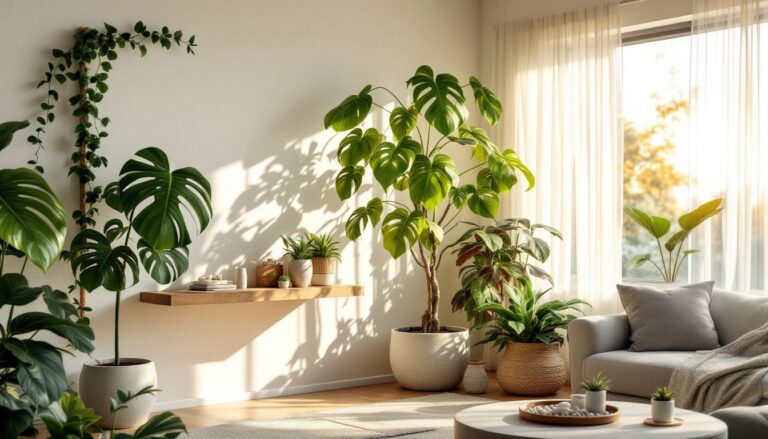
Monsteras have become the Instagram darling of houseplants, and for good reason. The Monstera deliciosa features dramatic, heart-shaped leaves with distinctive perforations (the “Swiss cheese” holes). These plants grow large and make a statement in any room. They tolerate low to medium light and prefer to dry out slightly between waterings.
Monsteras are slower growing than Pothos or Philodendrons, which means less frequent pruning. They do appreciate support, a moss pole or trellis encourages vertical growth and develops larger leaves. Mature plants occasionally flower indoors, producing a cream-colored spathe. The main downside is their size: they’ll eventually need significant space, so plan accordingly.
The Rhaphidophora tetrasperma (Mini Monstera) is a compact alternative for smaller spaces. It has similar Swiss-cheese-like leaves but stays more manageable. Both Monsteras and their relatives thrive on indirect, bright light and monthly feeding during growing season. For a truly transformative effect, large specimens deliver results similar to large indoor house plants that reshape entire rooms.
Flowering House Plants That Brighten Any Room
Flowering plants add color and visual interest beyond simple green foliage. Unlike leafy plants, bloomers require a bit more attention to light and watering, but the payoff, actual flowers in your living room, is worth the effort.
African Violets are a classic flowering houseplant. These compact, fuzzy-leaved plants produce delicate purple, pink, or white flowers nearly year-round with adequate light. They prefer indirect, bright light and consistent moisture (but not waterlogged soil). African Violets are sensitive to cold and prefer being watered from below to prevent leaf rot. They’re moderately difficult but highly rewarding.
Orchids sound intimidating but many varieties are surprisingly hardy indoors. Phalaenopsis (Moth Orchids) are the most forgiving, with long-lasting flowers and minimal fussing required. They need bright, indirect light and weekly watering during growing season. The key is replicating their natural humid, tropical environment, misting helps, or group them together to increase humidity. Blooms last weeks or months, making them excellent value.
Anthuriums (Flamingo Flowers) produce waxy, long-lasting red, pink, or white spathes that look almost artificial. They prefer warm conditions and consistent moisture but tolerate moderate light. These plants flower more reliably indoors than many orchids and bloom year-round with adequate care. Spathiphyllum (Peace Lilies) are similar, with elegant white flowers and the bonus of drooping when thirsty as a visual reminder to water.
Begonias range from foliage-only to stunning flowering varieties. Wax Begonias produce clusters of pink or red flowers and adapt well to indoor conditions. They prefer bright, indirect light and moderate moisture. Begonias are also available as IKEA house plants, making them budget-friendly entries into flowering houseplants.
Low-Maintenance Succulents and Cacti for Beginners
Succulents are the answer for anyone claiming they “kill plants.” These water-storing specialists thrive on neglect, requiring minimal watering and thriving in bright light. Their thick leaves and stems store water, so overwatering is the primary risk, err on the side of dryness.
Jade Plants are woody, slow-growing succulents that can live for decades. They develop thick trunks over time and look almost bonsai-like. Jade tolerates drought, prefers bright light, and rewards patience with occasional pink or white flowers. These aren’t fast growers, which makes them ideal for people who don’t want plants overtaking their space.
Echeveria varieties produce rosette shapes in various colors, green, pink, purple, and red. They’re incredibly popular for mixed succulent arrangements and individual pots. Aloe vera is both decorative and functional (the gel soothes burns). Both thrive on bright light, minimal water, and well-draining soil. In winter, water even less frequently.
Cacti are the ultimate low-maintenance choice. Christmas Cacti and Easter Cacti bloom reliably with minimal care. Barrel Cacti and Prickly Pear variants work as statement plants for sunny windowsills. Most cacti need bright, direct light to thrive and water only during growing season. For more specific guidance, explore types of cactus house plants which cover specialized varieties and care requirements.
Succulents and cacti do best in terracotta pots with drainage holes and gritty, well-draining potting soil formulated specifically for succulents. Standard potting soil retains too much moisture and causes root rot. Repot only every 2-3 years, as they grow slowly. Water thoroughly but infrequently, typically once monthly or less in winter.
Specialty Indoor Plants for Advanced Gardeners
Once you’ve mastered the basics, specialty plants offer more dynamic growth patterns and rewarding challenges. These aren’t difficult, but they do benefit from attentive care and specific conditions.
Calatheas (Prayer Plants) are striking with patterned foliage and leaves that fold at night (hence the name). They’re finicky about humidity and water quality, chlorine and fluoride can brown their leaf tips. They prefer warm temperatures, high humidity, and distilled or filtered water. The payoff is stunning, unusual foliage unavailable in simpler plants. Maranta (Red Prayer Plants) are similar but slightly more forgiving.
Alocasias produce arrow-shaped leaves in various colors and patterns. Alocasia amazonica features dramatic veining: Alocasia Polly stays compact. These tropical plants need warm conditions, humidity, and careful watering, they prefer consistently moist (not wet) soil. They’re slower growing but make bold statements.
Fiddle Leaf Figs are trendy but demanding. These tall plants with large, violin-shaped leaves need bright, indirect light, consistent watering, and protection from drafts. They’re prone to dropping leaves if moved or if conditions shift suddenly. Once established, though, they grow impressively and add architectural presence to rooms.
ZZ Plants (Zamioculcas zamiifolia) are easier than Figs but still impressive. They have glossy, compound leaves and tolerate low light exceptionally well. ZZ Plants are drought-tolerant and nearly impossible to kill, perfect for offices or dim corners. According to resources like The Spruce, ZZ plants consistently rank among the easiest houseplants for any setting.
These specialty plants benefit from feeding during growing season and occasional repotting. Many are available through specialty nurseries or premium online retailers. For a deeper jump into specialty and unusual varieties, 50 most common house plants with pictures offers visual guides and comprehensive care details.
Conclusion
Growing indoor houseplants is one of the easiest ways to improve your home’s air quality, aesthetic, and overall feel. Whether you start with foolproof Pothos, add flowering color with African Violets, or challenge yourself with Calatheas, there’s a plant for every skill level and space. The most important rule: match the plant to your available light, your watering consistency, and your patience level. Start simple, build your confidence, and expand from there.