Not every home has south-facing windows or sun-drenched corners. If your apartment, basement, or office space lives in shadow, you don’t have to skip the greenery. Small low light indoor plants are the answer for anyone who wants to bring life into darker rooms without watching their green friends slowly fade. The trick isn’t finding magical plants, it’s picking species that evolved to thrive in shade and understanding their straightforward care routines. Whether you’re a first-time plant parent or a seasoned gardener working with limited light, these seven varieties actually prefer low light conditions and ask for surprisingly little fussing around.
Table of Contents
ToggleKey Takeaways
- Small low light indoor plants are adapted to thrive in shade and require less frequent watering and care than sun-loving varieties, making them perfect for apartments, basements, and offices without abundant natural light.
- Pothos and snake plants are virtually indestructible low light options for beginners, tolerating neglect and irregular watering while adding visual appeal to cramped spaces.
- Peace lilies and ZZ plants deliver elegant aesthetics and air-purifying benefits in low light conditions while remaining low-maintenance with minimal pest problems.
- Overwatering is the biggest killer of low light indoor plants—let soil dry completely between waterings and always use pots with drainage holes to prevent root rot.
- Philodendrons and Monstera Deliciosa offer dramatic, statement-making foliage at budget-friendly prices and propagate easily from stem cuttings for expanding your indoor garden.
- Consistent care practices like monthly leaf dusting, sparse feeding, and maintaining room temperatures above 60°F ensure long-term health in even the darkest corners of your home.
Why Low Light Plants Are Perfect for Every Home
Low light indoor plants aren’t lesser alternatives to sun-loving specimens, they’re solutions for real living spaces. Most homes have more shade than pure sunlight streaming through windows, especially in winter months or on north-facing sides of buildings.
These plants have adapted over centuries to grow under forest canopies and in dim understory conditions. They’ve developed larger leaves to capture whatever light reaches them, and they metabolize energy more efficiently than sun-dependent varieties. That translates to fewer requirements from you: less frequent watering, slower growth cycles, and more forgiving schedules.
Beyond the practical advantage, low light plants open up design possibilities. You can green up hallways, bathrooms, shelves away from windows, and office corners without worrying about rotating them or managing intense heat. Many people start with demanding light-hungry plants and watch them struggle. Switching to shade-tolerant varieties eliminates that frustration entirely.
Pothos: The Easiest Low Light Vine for Beginners
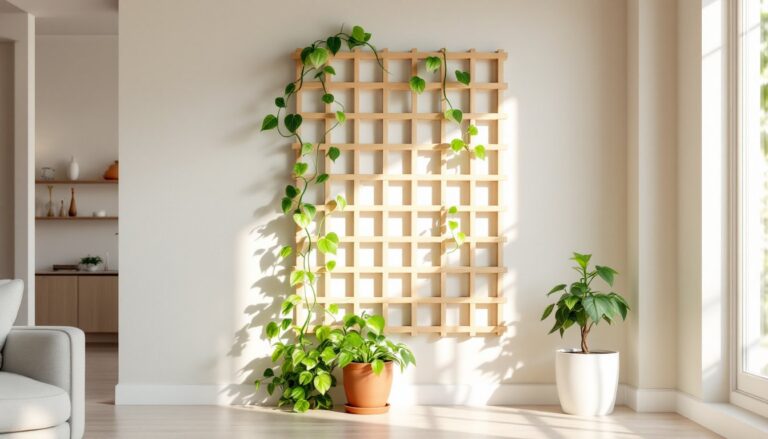
Pothos (also called Devil’s Ivy because it’s nearly impossible to kill) is the safety net for new plant owners. It tolerates severely low light conditions, irregular watering, and neglect with remarkable ease. The trailing vines grow in nearly any direction, up a moss pole, cascading from a shelf, or winding around a bookcase, making it endlessly versatile for cramped apartments.
Plant pothos in standard well-draining potting soil and water when the top inch of soil feels dry to the touch. It won’t mind staying in the same pot for years, though you can repot every 18 months or so if it outgrows its container. The plant reaches mature sizes of 3 to 6 feet long, depending on how much you let it ramble.
One caution: pothos is toxic if ingested by pets or children, so keep it out of reach. Otherwise, this is genuinely forgiving greenery. You can also propagate pothos from cuttings by placing a 4 to 6-inch segment in water and watching roots develop within two weeks, an easy way to fill multiple spaces or gift starts to friends.
Peace Lily: Elegant Blooms in Shady Corners
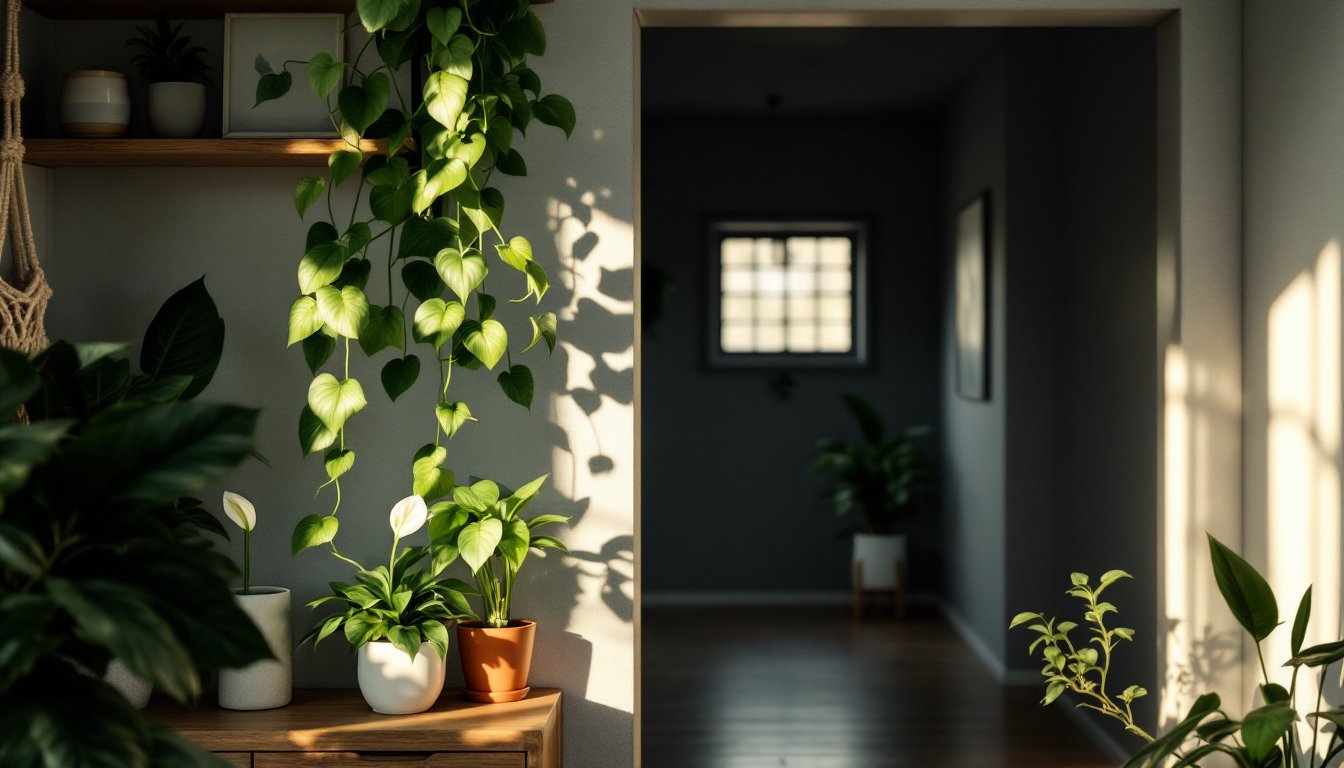
Peace lilies deliver something most low light plants don’t: flowers. Their glossy, dark green leaves form a neat mound topped with elegant white or cream-colored spathes (modified leaves that look like flowers) that bloom periodically even in dim conditions. A mature peace lily reaches 2 to 4 feet tall, making it a substantial visual anchor without sprawling across the room.
These plants actually prefer indirect light and will adapt to low light situations that would stress other varieties. Water when the top inch of soil dries out, and they’ll signal thirst by drooping slightly, a handy built-in reminder. The trade-off is that peace lilies are slightly finicky about water quality: they dislike chlorine and fluoride, so filtered or distilled water (or letting tap water sit overnight) keeps them happier.
Peace lilies also rank high for air-purifying benefits. They remove toxins like formaldehyde and benzene from indoor air, which is a genuine bonus beyond just looking sharp in a corner. Expect minimal pests and disease if you provide basic drainage and avoid overwatering.
Snake Plant and ZZ Plant: Low Maintenance Powerhouses
Snake plants (Sansevieria) and ZZ plants (Zamioculcas zamiifolia) are the ultimate low-light, low-effort heroes. Both tolerate anything from dim indirect light to borderline darkness, making them the go-to picks for cubicles, bathrooms, and interior hallways. Snake plants reach 2 to 4 feet tall with upright sword-like leaves in variegated greens and yellows. ZZ plants grow similarly tall but with feathery, compound leaflets that arch gracefully.
Both prefer drying out between waterings, this is crucial. Overwatering kills more snake and ZZ plants than any other factor. Water thoroughly every 2 to 3 weeks and allow the soil to dry completely. In winter or low light, water even less frequently. Use cactus or succulent-grade potting mix (or regular soil amended with perlite or coarse sand) to ensure proper drainage.
These plants are also seriously tough on pests and diseases. They don’t fuss, don’t sulk, and don’t demand fiddling. Both are toxic to pets if ingested, so position them securely away from curious animals. For people juggling busy lives and low-light corners, these two might be the smartest investment you make.
Philodendron and Monstera Deliciosa: Bold Foliage on a Budget
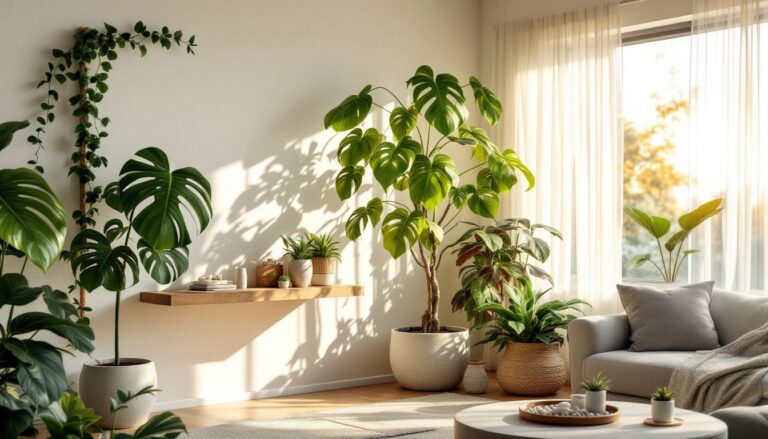
Philodendrons and Monstera Deliciosa (Swiss cheese plant) offer dramatic foliage that makes a visual statement without asking much in return. Philodendrons come in dozens of varieties, heart-leaf philodendrons trail like pothos, while varieties like Red Emerald climb and create sculptural shapes. Monsteras develop those famous split leaves (called fenestration) as they mature, reaching 2 to 8 feet tall depending on the variety and your willingness to stake them.
Both thrive in medium to low indirect light, though they grow faster with more light. Plant them in standard potting soil, water when the top inch feels dry, and let them climb a moss pole or trail from a hanging planter. They’re forgiving about imperfect humidity and don’t sulk in typical home environments. Propagation works easily from 4 to 6-inch stem cuttings placed in water or soil.
The real advantage here is cost and availability. You’ll find philodendrons and smaller monsteras at nearly every garden center or online retailer, usually at reasonable prices. Both develop quickly enough that you’ll see real growth month to month, which keeps the motivation up. Monsteras are mildly toxic to pets, while philodendrons can cause mouth irritation if chewed, so keep both away from animals.
Caring for Your Low Light Indoor Garden
Low light plants are forgiving, but they’re not invisible. A few consistent practices keep them thriving long-term. Start by understanding your specific light situation, “low light” ranges from a dim corner 10 feet from a window to an interior bathroom with no direct sun. The closer to actual light sources (even north-facing windows), the faster plants grow and the happier they generally look.
Watering is the biggest mistake most people make. Low light plants grow slowly and use less water than sun-loving varieties. Let the soil dry between waterings rather than sticking to a rigid schedule. Always use pots with drainage holes, sitting in water is how these plants die. Soil that stays perpetually moist invites root rot, fungal issues, and mold.
Feed low light plants sparingly, maybe monthly during the growing season (spring and summer) with diluted houseplant fertilizer. They’re not racing to produce fruit or flowers like outdoor plants, so heavy feeding isn’t necessary. In fact, slow growth is a feature, it means less repotting and pruning work on your end.
Dust accumulates on leaves even indoors, and a light coating blocks light absorption. Wipe leaves with a soft, damp cloth every month or two. Watch for common pests like spider mites or mealybugs, especially if you bring new plants home, quarantine newcomers for a few weeks just to be safe. Most low light plants stay pest-free when you don’t overwater, since pests thrive in wet conditions.
One final note: certain combinations of low light and cold temperatures can slow growth to a crawl. Keep these plants in rooms that stay above 60°F (ideally 65–75°F), and they’ll reward you with steady, reliable growth year-round. If you’re unsure whether a room’s light level works, start with a snake plant or pothos, they’ll prove it’s possible.
Conclusion
Darkness in your home isn’t a barrier to growing plants, it’s an opportunity to work with reality instead of fighting it. The seven varieties covered here represent different aesthetics and sizes, so you can match your space and style without compromise. From the indestructible pothos vine to the sculptural monstera, from the elegant peace lily to the bulletproof snake plant, low light plants deliver greenery, cleaner air, and genuine visual interest to every corner of your living space. Pick one that speaks to you, give it basic care, and watch how different your home feels when even dark corners come to life.